

Ever wonder why a brick wall can be both strong and attractive? The secret lies in the joints. They hold the bricks in place and protect your home from bad weather. Mortar not only sticks the bricks together but also lets you add a bit of style. In this post, we show you how picking the right mortar mix and joint design can boost the strength and look of your brickwork. Turn a plain wall into a true feature of your home.
Brick masonry joints: Strong and Stylish
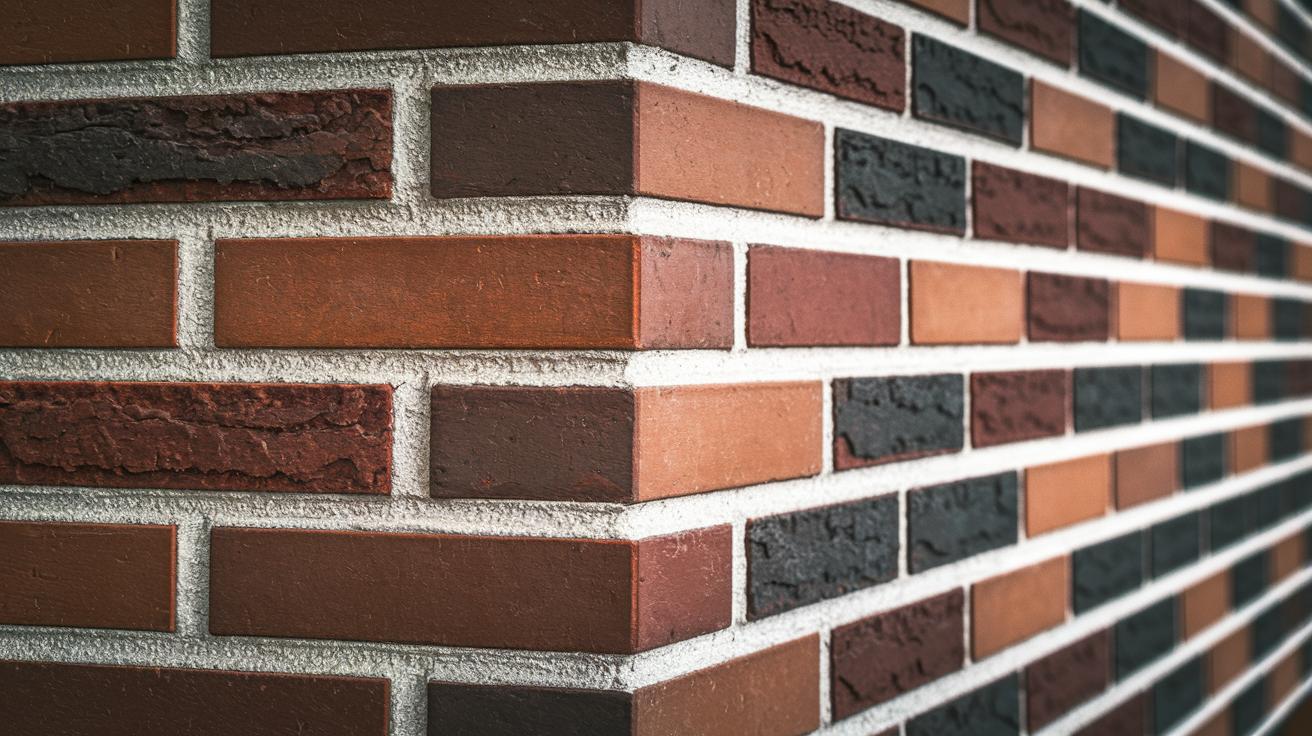
Masonry joints hold your brick wall together and keep it strong against the weather. They bond clay bricks and concrete blocks so that air and water stay out, keeping your structure safe and dry. Mortar (a mix of water, cement, lime, and sand) is used to create these joints. You can add pigment to the mortar to match or contrast with your bricks. This step not only strengthens the joint, it can also give your wall a fresh, new look. A custom pigment mix might highlight the natural tone of your brickwork, a touch of color can turn a plain wall into a visual statement.
Brick masonry joints are split into two simple parts: bed joints and head joints. Bed joints are the horizontal gaps between bricks. Head joints are the vertical gaps. These joints lock the bricks into a tight pattern and also allow for a bit of movement as the building settles. Builders adjust the mortar mix for different needs, whether you want a stronger hold, extra resistance to heavy loads, or a touch of flexibility to handle minor shifts. One popular option is the concave joint. Its curved shape repels water, which is perfect for walls exposed to rough weather.
Understanding your masonry joint options matters whether you’re a DIYer or a pro contractor. Mortar joints secure the bricks and offer a chance to enhance your design. You can choose mixes and joint profiles to suit local weather or your style goals. Whether you need a mix that boosts bonding or one built to take on severe weather, these choices help you build a brick wall that is tough and stylish.
Exploring Mortar Joint Profiles in Brick Masonry Walls
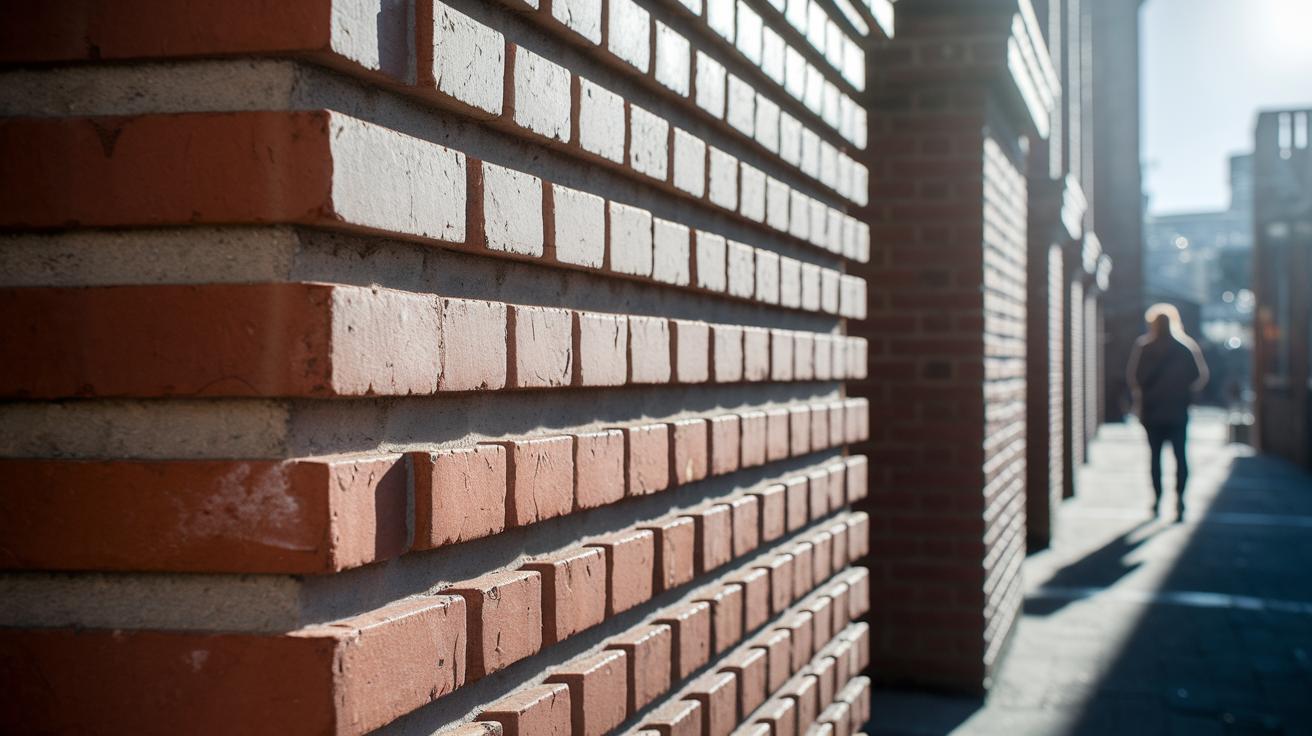
When you build a brick wall, the mortar holds the bricks together and the joint style plays a key role in guiding water away and adding style. The way you shape the joints affects both how well the wall sheds water and its overall look.
A concave joint has a curved bend that quickly sends water off the wall. V-shaped joints cut a clear groove that not only looks modern but also pulls moisture away. Flush joints are even with the brick face, giving a clean, modern look, but may lower the grip if not done correctly. Struck joints finish with a slight upward slope to help water run off while adding a classic touch. Raked joints set the mortar back to produce shadow lines, creating a bold texture, though they might not handle water as well.
Your best choice depends on local weather and your desired style. For cold, rainy climates, a concave joint can be a strong choice, while a flush joint might suit a more sheltered area with a minimalist design.
| Profile | Water resistance | Aesthetic impact |
|---|---|---|
| Concave | Excellent – curved shape pushes water off | Classic and timeless |
| V-Shaped | Good – sharp grooves help channel water away | Modern and dynamic |
| Flush | Moderate – even finish may hold moisture | Sleek and contemporary |
| Struck | Balanced – slight slope directs water off the wall | Subtle, refined detail |
| Raked | Poor – recessed mortar is less effective in shedding water | Bold brick look with deep shadows |
Step-by-Step Installation Techniques for Brick Masonry Joints

Mortar Mixing and Preparation
Begin by mixing the right mortar. Combine water, cement, lime, and sand using type N mortar (a common mix for general brickwork). Measure each ingredient carefully to get the mix just right. If you want a custom color, add pigment while mixing. Use either a mechanical mixer or a sturdy trowel to blend the mix until it has a smooth, thick, creamy consistency. The mortar should feel firm, neither too runny nor too stiff, to ensure strong bonding when you set the bricks.
Brick Laying and Joint Filling
Lay each brick on a flat bed of mortar on a level surface. Spread mortar on the vertical joints (the head joints) evenly before placing each brick. As you set the bricks, push the mortar firmly into every gap. Aim to leave a joint thickness between 3/8 in (0.95 cm) and 1/2 in (1.27 cm). Press on the brick to feel the solid connection; a firm bond means the mortar has filled the gaps well and the bricks are secure.
Joint Tooling and Curing
Next, use a jointer (a tool that shapes and smooths mortar) to press and shape the mortar joints. Running the jointer along each joint compresses the mortar, which strengthens the bond and creates a neat finish. Work steadily to make sure every joint is even and clean. Then, let the mortar cure in stable temperature and humidity conditions. Proper curing ensures the joints set correctly and develop maximum strength and durability.
Repair and Maintenance Practices for Brick Masonry Joints

Check your brick wall regularly to spot signs of failing mortar, such as cracks or crumbling. Use a chisel and hammer to carefully remove the old, damaged mortar to a consistent depth. Mix a new mortar that matches the old one in color, strength, and stickiness. Then, brush off any loose debris gently so you don’t damage the brick surface. For extra moisture protection and long-lasting joints, apply a polymer-modified sealant. This process, known as repointing, helps your wall hold up against harsh weather. For more tips on repointing and sealing, see the Brick masonry repair page.
Make joint maintenance a regular habit to extend the life of your brick wall. Check the control and expansion joints, which allow for temperature changes, to catch any cracking early. When weather takes its toll, reapply the sealant and brush away dirt gently to protect the brick. These simple steps keep water out and prevent further damage, so your wall stays both strong and attractive over time.
Aesthetic and Decorative Trends in Brick Masonry Joints

Pigmented mortar lets you change up the look of your brick wall. You can match the brick color for a uniform appearance or choose a contrasting tone to make the facade pop. For example, a bold color can add an eye-catching twist to traditional bricks, while a softer shade creates a calm, balanced feel.
Decorative joint patterns are now used for style as well as function. Take the grapevine effect: a shallow carved line in the mortar brings a colonial touch to your brickwork. This simple trick turns a basic joint into an artistic detail that adds a sense of history and craft.
Another popular design is the oversmear joint. In this method, extra mortar is applied over the brick faces to give a rustic, hand-crafted look. The blended transition between brick and joint highlights the raw beauty of masonry.
Choosing the right joint color is important when mixing different brick hues or materials. Whether you go for the clean cut of a grapevine joint or the organic feel of an oversmear, these profiles not only secure the wall but also offer a fun, creative detail.
Final Words
In the action, this guide walked you through core principles of brick masonry joints, covering essential mortar profiles, installation techniques, repair methods, and decorative trends. Each section broke down steps and tips so you can mix mortar, lay bricks, tool joints, and perform routine maintenance with confidence. You learned how controlled curing, proper jointer use, and timely repointing keep your walls safe and attractive. Keep applying these techniques for a cost-effective build, and remember, every small step contributes to a sturdy, visually appealing project.