

Ever thought a brick foundation might be both stylish and strong? Brick foundations give your home lasting support and add a timeless charm. But many skip basic checks and proper drainage (methods to guide water away from the structure), which can lead to expensive repairs.
By using smart maintenance tips and creative design ideas, you can keep your foundation safe and attractive for many years. This guide lays out clear steps for building and caring for a brick foundation that stands the test of time.
Brick foundation: Build with Enduring Elegance
A brick foundation is a long-lasting system that serves as the base for your building. Bricks are arranged in a pattern to support the weight of the structure. Over time, the concrete and mortar may break down. It is important to check your foundation every few years to catch problems early and avoid major repairs later.
Good drainage is key to keeping your brick foundation strong. Water can damage masonry systems, so you need to make sure the soil around your home slopes away from the foundation. A safe rule is to have the ground drop 1 inch (2.54 cm) per foot (0.3 m) for at least 6 feet (1.8 m), though 10 feet (3 m) is even better. This slope guides water away and helps prevent moisture buildup that could weaken your structure.
Regularly inspect your foundation for signs of damage. Look for cracks or gaps in the mortar that may need repair. A simple test is to tap on the bricks. If you hear a hollow sound, it might show loose spots. This hands-on check helps ensure that your brick foundation remains a solid and reliable support for your home.
Variations in Brick Foundation Design

Brick foundation designs offer plenty of choices for your home. A traditional load-bearing brick wall gives solid support and a timeless look. Meanwhile, a modern veneer brick installation lets you update your home’s look at a lower cost. For instance, applying Royal Thin Brick (a thin brick product) over your foundation instantly creates the look of kiln-fired brick instead of plain concrete. To get a good bond, clean the foundation well and, if needed, lightly scratch the surface to remove any paint, dirt, or old mortar.
Thin-brick veneers are set up using thin set mortar and then grouted much like ceramic tile. This method lets you add a variety of decorative masonry touches. You can mix and match colors, textures, and patterns to suit your style. Whether you choose a full-width bearing wall or just a decorative accent, exterior masonry details add personality while staying strong and long-lasting. This approach balances the need for structural support with creative design, making your brick foundation a true reflection of your home.
Step-by-Step Brick Foundation Construction Guide
-
Clean the foundation surface. Use a stiff brush to scrub off all paint, dirt, and contaminants. A clean surface makes sure the mortar bonds well. For example, clear away old mortar and debris to reveal a fresh surface ready for bonding.
-
Excavate around the foundation to create a level base for the concrete footing bed. Compact and grade the soil so water flows away from the wall. Check the slope to ensure you have at least 1 in per ft (2.54 cm per 30.5 cm).
-
Pour a concrete footing bed to form a strong base. Insert structural rebar (reinforcement steel bars that add strength) into the concrete for extra support. Follow standard guidelines for proper reinforcement placement.
-
Lay the first brick course directly on the concrete. Use a consistent mortar mix as you set each brick, making sure every brick is level and plumb (straight). Reinforce key sections with additional rebar if needed.
-
Install a damp-proofing membrane over the footing and lower courses. This moisture barrier protects your masonry from water damage. After finishing each section, pause to check brick alignment and clean mortar joints.
-
Place thermal insulation between brick layers where specified. This step helps create a weatherproof wall and keeps indoor temperatures steady.
-
Build up the wall with additional brick courses. Check regularly with a level tool to keep the wall plumb and level. Consistent mortar mix is vital for strong adhesion and load-bearing support.
| Material | Purpose | Typical Quantity |
|---|---|---|
| Concrete | Footing bed | Per cubic yard |
| Rebar | Structural reinforcement | Per 10 ft |
| Mortar mix | Brick bonding | Per 60 lb bag |
| Damp-proofing membrane | Moisture barrier | Per roll |
| Brick units | Structural courses | Per 1000 bricks |
Evaluating Costs of a Brick Foundation
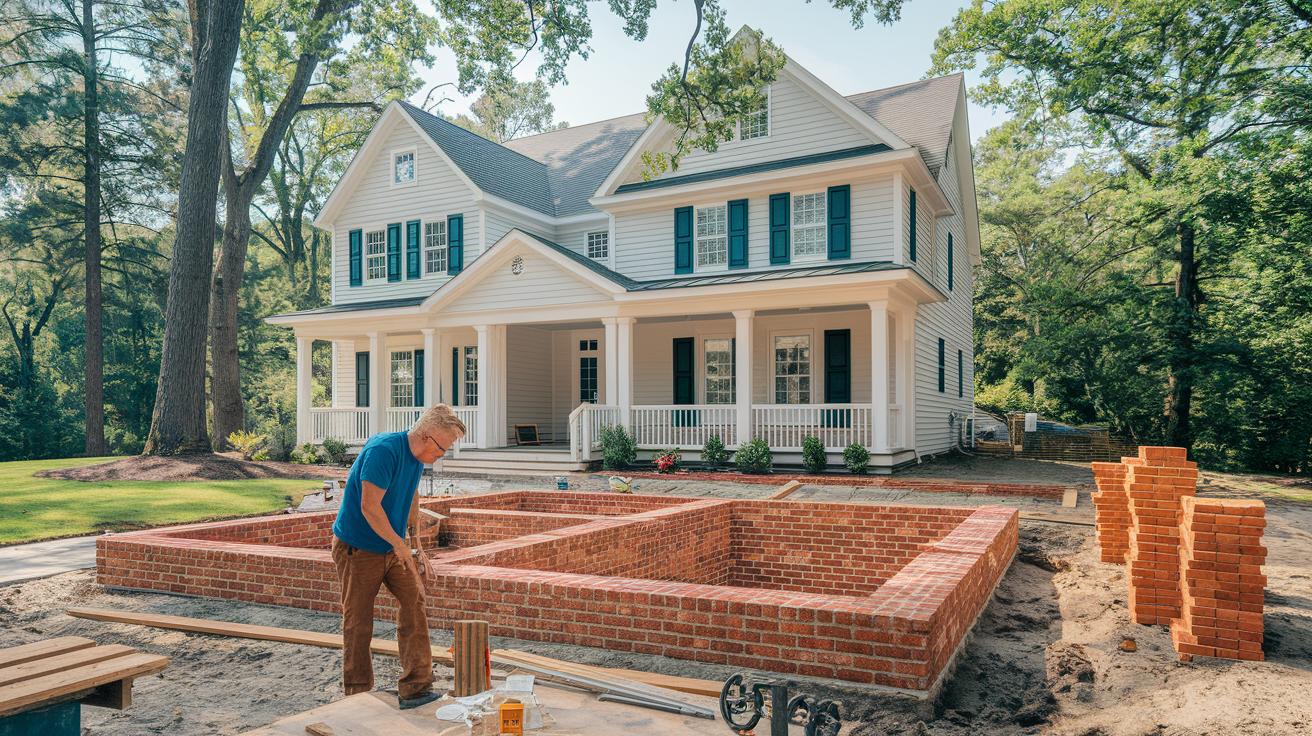
Homeowners, if you're looking to transform your home's look quickly, a brick foundation or veneer can do the trick in just a few days. This upgrade can shift your labor schedule and overall planning. Start by prepping the surface; you may need to remove old paint, dirt, and mortar. Tools like diamond-blade grinders (specialized cutting tools for faster work) help speed up this cleanup but can add to your expenses.
Labor costs vary depending on how complex the masonry work is, especially when installing a thin brick veneer. For clear budgeting, break the expenses into three parts: materials, labor, and equipment. Materials cover the brick units (or Royal Thin Brick), mortar mix, and damp-proofing membranes. Skilled masonry work (similar to installing ceramic tiles) is key to a lasting, well-bonded finish. Equipment expenses might also include renting grinders for quick mortar removal.
While brick foundations may cost more initially than concrete slabs, they offer a bonus: you can repair specific areas over time, which might save money later. So, when planning your budget, remember to include routine maintenance and any occasional repair costs.
Maintenance and Common Repairs for Brick Foundations
Regular upkeep stops natural wear and water damage from weakening your brick foundation. Over time, mortar and concrete lose strength. This can create gaps that hurt how the load is spread and reduce water protection. One key step is to set up proper drainage. Make sure the soil around your home slopes away at 1 in per ft for at least 6 ft (1.8 m), though 10 ft (3.0 m) works best. Fixing cracked or loose mortar as soon as you see it helps keep the brickwork strong.
Tuck-pointing is a key repair method. Use a cold chisel and a 3- to 5-pound hammer (about 1.4 to 2.3 kg) to remove damaged mortar to about ½ in (1.3 cm) deep. You can use a diamond-blade grinder to speed things up, but it makes a lot of dust and needs a good cleanup afterwards. Repointing the joints (filling in the gaps with new mortar) restores a tight, weatherproof seal. Follow these steps to protect your brick foundation:
- Check that the soil slopes away from your home at 1 in per ft (for at least 6 ft or 1.8 m) to handle water runoff.
- Regularly inspect brick joints for cracks or missing mortar.
- Remove any loose or cracked mortar with a cold chisel and 3- to 5-pound hammer, cutting about ½ in (1.3 cm) deep.
- Repoint the joints by applying fresh mortar to create a tight, weatherproof seal.
- Watch for signs of settling or moisture buildup and address them quickly to support the structure.
Routine inspections help you catch problems early, keeping your brick foundation steady and solid.
Comparing Brick Foundations with Alternative Base Methods

Brick foundations offer clear benefits over poured concrete or concrete block bases. One big plus is how easy they are to repair. Over time, all building materials show wear. With brick, you can repair just the damaged section instead of redoing the whole foundation. For example, if one part of your brick wall has loose mortar, you fix that area rather than replace an entire concrete slab.
Another advantage is energy efficiency. Brick holds heat better than plain concrete, which helps even out temperature swings. This means your home stays warmer in cold weather and cooler in the heat, lowering your heating and cooling bills.
Brick foundations also give you more design flexibility. Block or slab systems often need complete repairs or overlays when damaged. With brick, you only work on the affected spot. This saves both time and money while keeping your classic brick look for years to come.
Best Practices and Advanced Techniques for Brick Foundation Performance
To build a brick foundation that lasts, you need a mix of green methods, quake-safe upgrades, and skilled installation. Always follow the product directions for outdoor brickwork and check guides like the Tile Council of North America's Handbook for Ceramic Tile Installation to do the job right. When adding a moisture barrier (a sheet that stops water from entering), treat it like wrapping a gift: cover every seam to keep water out.
Choose eco-friendly materials and methods to cut waste and boost your foundation's energy performance. For better quake protection, add strong supports and flexible joints that absorb movement during earthquakes. A solid brick design also means keeping brick lines straight, mortar joints even, and following local building codes to ensure long-term strength.
You can also improve insulation by placing thermal insulation between brick layers. This helps keep indoor temperatures steady and lowers energy bills. Keep your masonry base dry by installing moisture barriers and proper foot drainage to manage water runoff effectively.
For example, think of insulation like putting on extra clothes on a chilly day, each layer adds warmth and protection. These steps boost your brick foundation's strength and lifespan, giving you a safe, energy-efficient structure.
Final Words
In the action, this guide walked you through brick foundation basics, design variations, and a step-by-step construction plan. We broke down cost drivers, maintenance tasks, and compared brick foundations with other options. Each area, from proper drainage to reinforcement details, builds toward a safer, cost-effective project. Stick to these tips to ensure that your brick foundation stays strong and reliable. Keep planning carefully and enjoy the process of creating a durable, lasting structure.
FAQ
What is the cost of a brick foundation, for example for a 2000 sq ft house?
The brick foundation cost reflects materials, labor, and site prep. For a 2000 sq ft house, pricing usually falls in the high- to mid-five-figure range, influenced by local factors and design choices.
What are the key details and creative ideas in brick foundation design?
The essential details include proper drainage, quality mortar, and sturdy load-bearing walls. Creative ideas range from full brick courses to applying a thin brick veneer for an updated, attractive exterior.
What defines an exterior or modern brick foundation?
An exterior or modern brick foundation integrates traditional brickwork with improved moisture barriers, insulation, and weather-resistant techniques. This approach offers enhanced energy efficiency while preserving the classic look of brick.
What types of brick foundations exist and are they suitable for houses?
Brick foundations vary by structure, from full load-bearing walls to decorative veneer installations. They’re a solid, repairable option for houses when built and maintained properly, ensuring long-term stability.
How is brick foundation repair performed?
Brick foundation repair involves addressing deteriorated mortar and cracked bricks with techniques such as tuck-pointing and replacement, paired with cleaning and moisture barrier repairs to restore structural integrity.
When did builders stop using brick foundations?
Brick foundations are still in use today. While some modern projects favor poured concrete for speed, brick remains popular for its durability, timeless appearance, and ability to be maintained or repointed over time.
How long does a brick foundation last?
A brick foundation can last well over a century when properly maintained with periodic mortar repairs, adequate drainage, and timely upkeep to prevent moisture damage.