

Ever notice how some brick walls stay fresh for years while others start to peel and chip? Using a masonry primer on brick is like giving your wall a good cleaning before painting, much like washing a car before waxing it. This special coat cuts down on the brick’s natural alkalinity so the paint can stick better and last longer. In this post, you'll find out how the right masonry primer not only helps the paint hold on tighter but also guards your brick against moisture and alkali damage, keeping your finish looking great for a long time.
All You Need to Know About Masonry Primer for Brick Surfaces
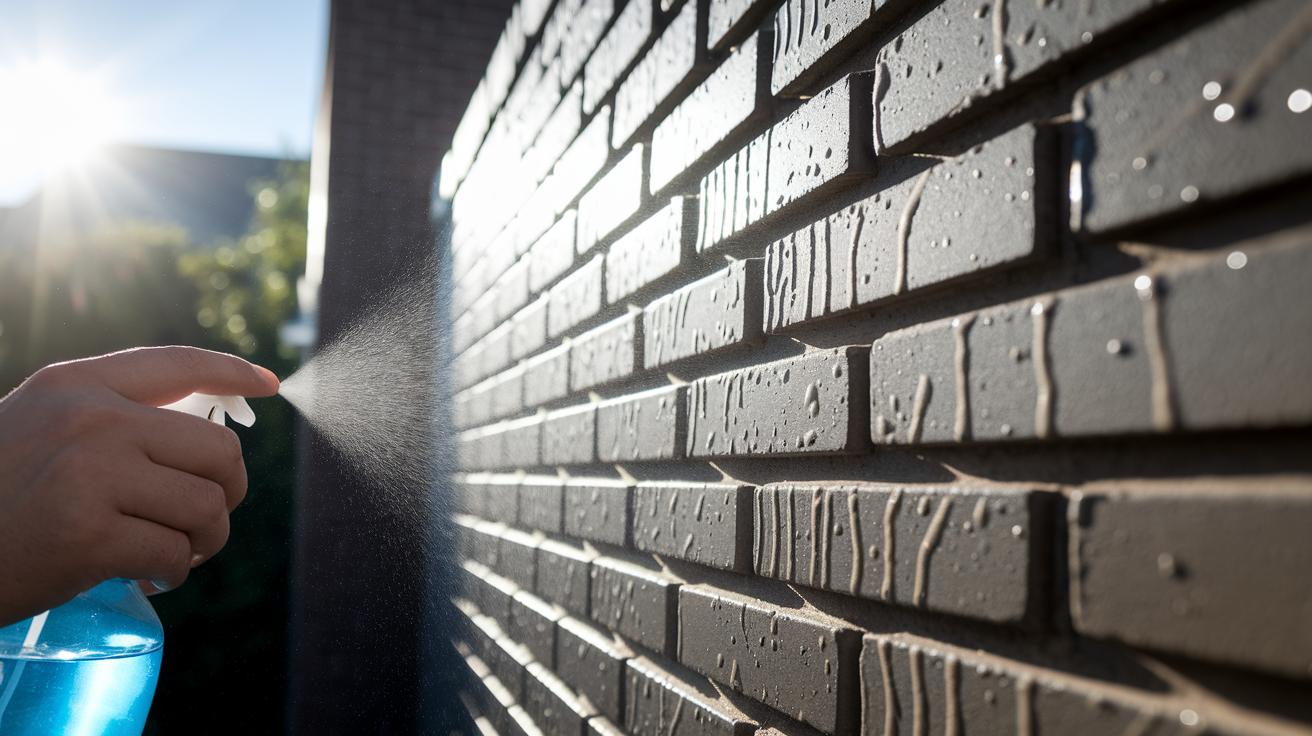
Masonry primer is a special coating made to prepare brick surfaces before you paint. It works by neutralizing the high pH (alkaline) levels in brick and concrete so the paint sticks and stays in good shape. Think of it as giving your brick a fresh start, much like cleaning a car before you wax it. Always clean the brick well before you apply the primer to help it bond properly.
This primer is different from standard exterior primers. Regular primers can break down over time because they aren’t built to handle the natural alkalinity in brick. Masonry primers, however, have extra ingredients that protect against alkali damage and improve paint adhesion. In other words, using a masonry primer means you’re less likely to deal with peeling or blistering, like picking the right tires for a rough road.
Popular products show these benefits well. For example, Sherwin Williams Loxon Masonry & Concrete Primer gives strong moisture protection and resists alkali, while MicroGrip Primer works best on very porous or textured brick surfaces. Many of these primers even come pre-tinted in 15 standard colors, making it simple to match your existing décor. Homeowners have noticed better adhesion and coverage when they choose these tailored options.
masonry primer for brick Enhances Durability

Picking the right primer for your brick helps your paint job last longer. There are a few types you can choose from based on your brick’s condition. For a neat, smooth look, try a standard formula like Masonry Flat Primer. If your brick has an uneven or rough surface, Masonry Textured Primer adds a bit of fine grit for better hold. Products like Sherwin Williams Loxon block alkali (a chemical that can harm the wall) and seal out moisture, making them ideal for outdoor areas. For older or very porous brick, MicroGrip Primer gives strong coverage along with scratch and chip resistance. This lets you match your primer to what your brick needs, whether it’s a low-maintenance finish or extra bonding strength.
| Primer | Type | Coverage (sqft/gal) | Key Features |
|---|---|---|---|
| Sherwin Williams Loxon | Alkali-Blocking | 250 | Deep seal, excellent adhesion |
| MicroGrip | High-Porosity | 300 | Penetrates textured surfaces |
| Masonry Flat | Standard Finish | 275 | Smooth film, low-maintenance |
| Masonry Textured | Aggregate-Enhanced | 260 | Grip on uneven brick |
When choosing a primer, look at your brick’s condition and texture. For weathered or rough surfaces, a high-porosity primer works well, and if moisture is a risk, go with an alkali-blocking option. Matching the right primer to your brick ensures a durable finish and lowers future upkeep.
Preparation Steps for Brick Surfaces Before Applying Masonry Primer

Start by checking your brick carefully. Look for cracks, flaking (spalling), white, powdery deposits (efflorescence), and loose mortar. Repair small cracks and gaps right away, and repoint the mortar joints if needed. Remember, even a small crack can let water in and weaken the brick over time.
Next, clean the brick using a pressure washer or masonry detergent with moderate water pressure. This step removes dirt, old coatings, and debris so the primer can stick properly. Quick tip: Too high water pressure can damage the brick.
After cleaning, let the brick dry completely before you prime it. Wait 48–72 hours (2–3 days) to be sure no moisture is trapped. For very porous brick, you might need to pre-wet it and then clean it with a special cleaner to balance the moisture.
Finally, give the brick one last look. Confirm all repairs are complete, the surface is free of residue, and it is fully dry. This last check helps ensure the primer will bond strongly and protect your brick for a long time.
Application Techniques for Masonry Primer on Brick
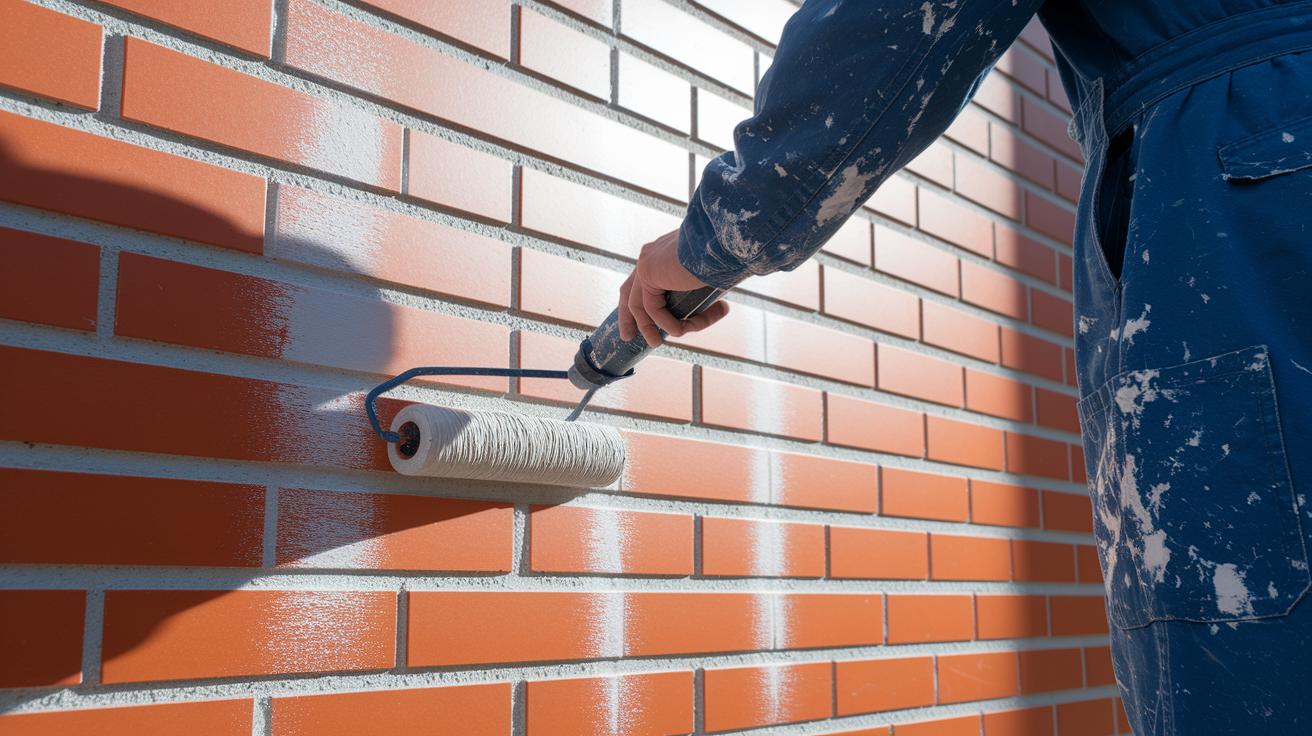
Choosing the Right Tools
Pick tools that give even coverage on brick. Use a 3/4 in (about 19 mm) nap roller on textured brick so the primer goes on smooth and without streaks. Before you roll, brush the mortar joints (the spaces between bricks) to cover corners that the roller might miss. If you prefer a sprayer, use an airless model that works at 2000–3000 psi (about 14–21 MPa) with a fine-tip nozzle. This setup speeds up the job and minimizes waste. For example, spray a large wall quickly, then switch to a brush for tight areas.
Step-by-Step Application Process
- Start by brushing along the mortar joints. This “cut-in” step makes clear, sharp edges so no spots are missed.
- Next, apply the first coat with your 3/4 in nap roller. Work in small sections and keep a wet edge to avoid overlap marks.
- Let the first layer dry for 4–6 hours before you add the next coat.
- Once dry, use the same process for the second coat to build strength and full coverage.
- Remember, the primer needs 24–48 hours to fully cure before heavy use.
- When you’re done, clean your tools right away with water. This keeps them ready for your next project.
Following these steps helps the primer stick well to the brick and boosts the life of your paint job.
Durability and Protection Benefits of Masonry Primer on Brick

Masonry primer forms a strong shield that stops moisture and calms alkali, keeping your brick safe from water that can make paint peel or bubble. Here's a neat fact: water is the enemy of paint, and blocking it can make your brick last much longer.
This primer also helps the paint stick better, which is important when your home sees a lot of foot traffic or faces tough weather. It clings to the brick to cut down on scratches and chips. Think of it like a shock absorber in a car that smooths out bumps on rough roads.
By making the paint last longer, you only need to repaint every 5 to 7 years. This not only keeps your home looking fresh but also saves you time and money over the long run.
Comparative Analysis of Top Masonry Primers for Brick
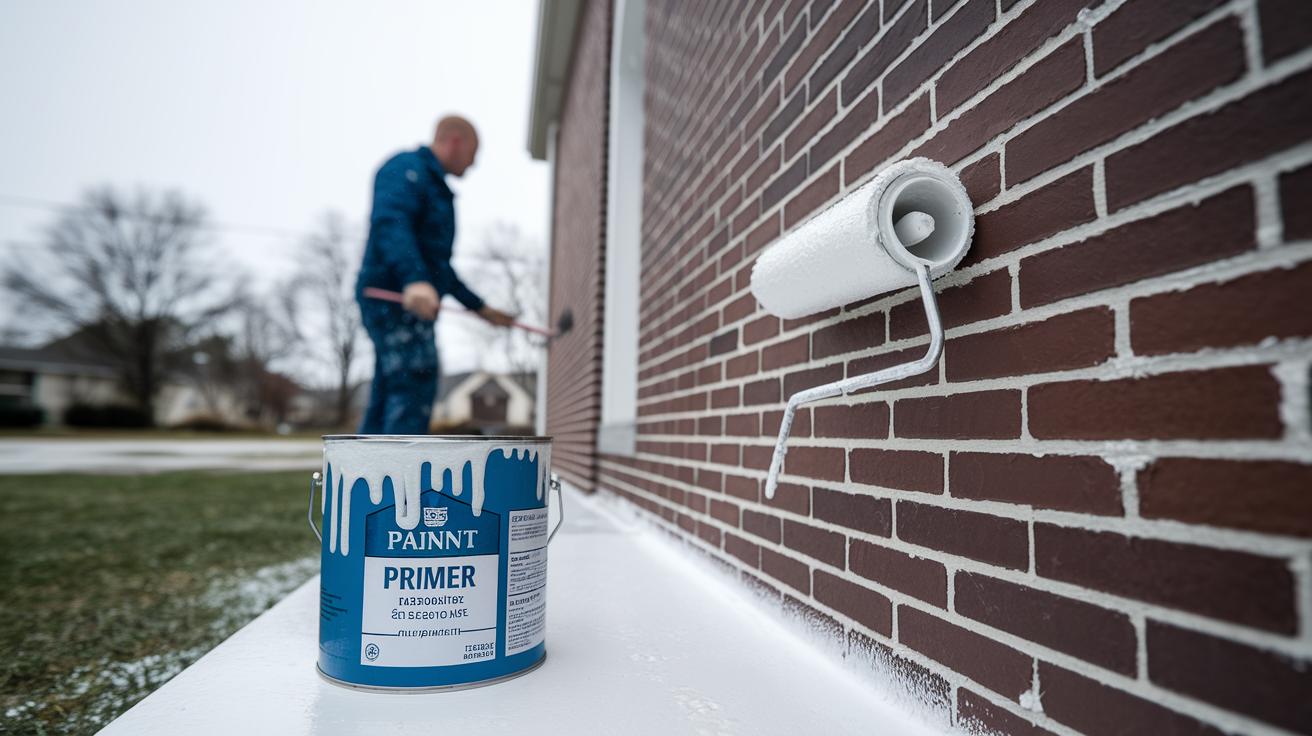
When you pick a masonry primer for brick, consider both cost and performance. You need a primer that resists alkali, seals moisture, and covers the area well. The table below shows four popular options side by side. We list each product’s coverage per gallon, price per gallon, and standout features.
| Primer | Coverage (sq ft/gal) | Price (per gal) | Key Features |
|---|---|---|---|
| Sherwin Williams Loxon | 250 | $45 | Strong alkali resistance, deep seal, durable finish |
| MicroGrip Primer | 300 | $60 | Great for porous or aged brick, excellent penetration |
| Masonry Flat | 275 | $40 | Smooth film, low upkeep, even coverage |
| Masonry Textured | 260 | $50 | Extra grip on uneven surfaces, aggregate-enhanced |
When you compare these primers, look at how each one handles alkali exposure and works on different brick types. For instance, MicroGrip Primer is ideal for very porous surfaces with its high coverage rate. Masonry Flat, on the other hand, gives you a smooth, low-maintenance finish at a friendly price. Balancing these factors will help you choose a primer that lasts and keeps your brickwork strong.
Safety Precautions for Applying Masonry Primer on Brick
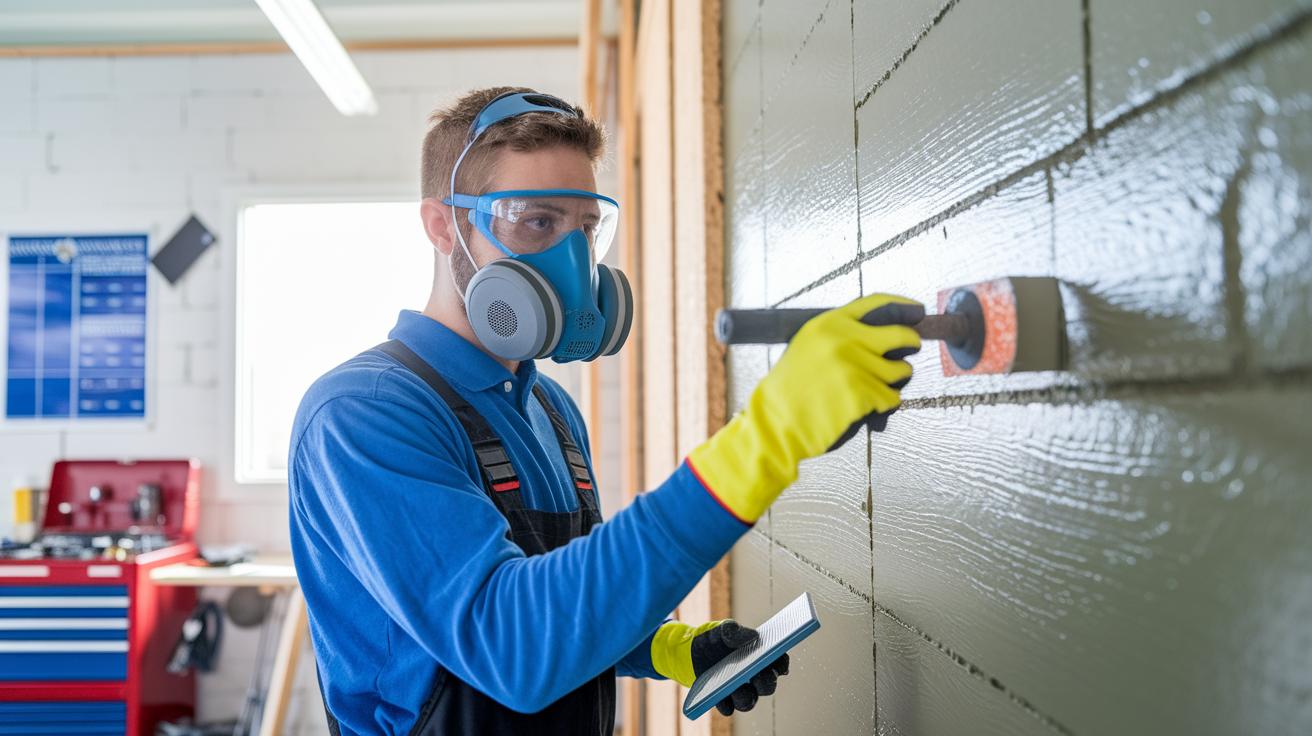
Always gear up with a respirator mask, nitrile gloves, and eye protection when applying masonry primer. These tools keep you safe from fumes and splatters, just like a helmet protects you on a busy job site. Check your safety checklist for extra tips.
Before you start, verify that the weather is right. Work only when temperatures are between 50°F and 90°F (10°C and 32°C) and steer clear of rain or freezing conditions. Otherwise, the primer might not dry properly.
When you finish, seal the primer container tightly and store it off the ground in a well-ventilated area. This keeps contaminants out, much like keeping food sealed to prevent spoilage.
Clean up spills immediately and dispose of any waste primer following your local hazardous-waste rules. Quick cleanup helps prevent slips and limits exposure to harmful chemicals.
Maintenance Strategies for Primed Brick Masonry
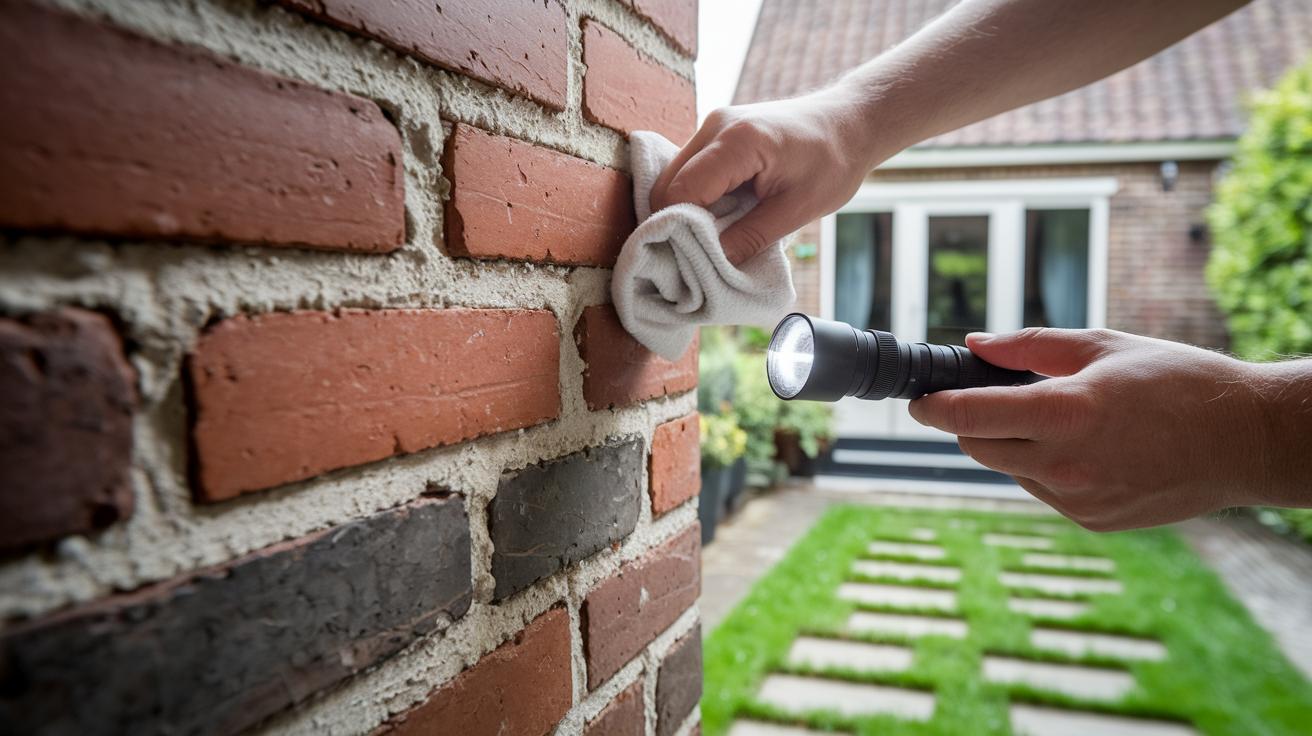
Clean your primed brick carefully using a soft cloth or sponge with a little mild detergent and low-pressure water. Don’t use high-pressure water because it can strip away the protective primer and damage the brick. Work in small spots and rinse just enough to clear away dirt and grime without scratching the surface.
Check your brick at least once a year for peeling, cracking, or signs of water damage. Look closely at corners, edges, and mortar joints (the gaps between the bricks) because these spots wear first. If you find a small chip or crack, repair it right away to stop further damage. A quick annual check, like following an annual home maintenance checklist, helps catch issues early.
Every 5–7 years, depending on weather and sun exposure, add a new coat of primer and paint. This keeps your brick looking fresh and protects it longer. It helps to keep a small supply of matching primer for any small touch-ups. Stick to this routine to keep a lasting, attractive finish.
Final Words
In the action, we broke down everything from surface prep and safety measures to tool selection and product comparisons. Each section provided clear steps to get your project rolling while keeping costs and risks low.
We explored various product options and shared maintenance tips to prolong your paint job's life. Step-by-step guidance helps you achieve smooth, durable finishes on brick surfaces.
Keep this guide handy and enjoy every phase of your project with confidence, using reliable masonry primer for brick solutions.
FAQ
What is masonry primer used for on brick surfaces and where can it be applied?
Masonry primer is used on brick surfaces—fireplaces, walls, exteriors, patios—to neutralize high pH, block alkali, and promote strong paint adhesion, ensuring durable, long-lasting finishes.
Do I need to apply primer on brick before painting?
Applying primer on brick before painting is essential, as it seals porous surfaces, enhances paint adhesion, and protects against alkali damage, leading to a smoother, longer-lasting finish.
What is the best masonry primer for brick?
The best masonry primer for brick depends on your project needs. Products like Sherwin-Williams Loxon and MicroGrip offer excellent adhesion, moisture sealing, and alkali resistance for various brick types.
Is Kilz considered a masonry primer?
Kilz is not typically formulated as a masonry primer. True masonry primers are specifically designed to neutralize alkali conditions and improve adhesion on brick and concrete surfaces.
Can I find Sherwin-Williams masonry primer at Home Depot?
Sherwin-Williams masonry primer can be found through select Home Depot offerings. Many Home Depot locations carry masonry primers; however, check with your local store for availability and specific product selection.