

Ever wondered if your brick walls could look as fresh as a piece of art? A brick masonry sealer works like a raincoat, shielding your wall from rain, sun, and harsh weather. It stops moisture from getting in and prevents damage like chalky buildup over time. In this guide, we explain how sealers work. You will learn about water-based options, which are gentle on indoor air, and solvent-based varieties that handle outdoor challenges. Follow along to keep your brick looking great for years.
Brick Masonry Sealer: Revitalize Brick Elegance

Brick masonry sealer is a protective coating that fills the small gaps in your brick. It stops moisture from seeping in while preserving the brick’s natural look and allowing it to breathe. For example, you might say it works like a waterproof cover on a prized painting, keeping water out while the brick stays lively.
Brick masonry faces constant challenges from rain, sun, and freeze-thaw cycles that can weaken its structure. These conditions can create a chalky white buildup known as efflorescence and lead to more wear over time. A good sealer repels water and cuts down on damage from nature’s elements. Think of it as a raincoat for your brick.
There are two main types of sealers: water-based and solvent-based. Water-based sealers offer low-VOC protection and work well indoors when air quality is important. On the other hand, solvent-based options, such as siloxane and silane blends, dig deeper into the brick and handle harsh outdoor climates better. Either choice helps keep the brick’s color uniform and reduces upkeep in the long run.
Types of Brick Masonry Sealers: Penetrating vs. Film-Forming Options

Brick masonry sealers work in one of two ways. One type, known as penetrating sealers, bonds chemically inside the brick’s pores to cut down on water absorption while keeping the brick’s natural look. The other type, film-forming sealers, forms a thin protective coat on the surface that can add a bit of shine or slightly change the color. For example, modern sealers create an invisible barrier that is as tough as a raincoat yet stays true to the brick’s original texture. This helps you pick the right product for your needs.
Penetrating sealers are great for vertical walls and very porous bricks. They soak deep into the brick to fill small holes and lessen water damage. By hardening from within, they keep the natural feel and let the brick breathe. Their chemical bond with the masonry also controls moisture and reduces the chalky buildup often seen on old bricks. This makes them a smart pick for older homes or projects where you want to preserve the original look. They also perform well in areas that experience freeze-thaw cycles and lots of UV exposure.
Film-forming sealers work differently. They create a continuous layer over the brick that gives a uniform finish and can add shine or slightly change the color. But there is a catch, if the coating does not fully cure, it can trap moisture inside. Water-based film-formers are low in VOCs and work best indoors. For tougher outdoor conditions, solvent-based siloxane and silane blends push deeper into the brick, offer excellent UV stability, and deliver strong weather resistance. These properties make them ideal for coastal areas or places with harsh freeze-thaw weather.
Performance Benefits of Quality Brick Masonry Sealer Products

High-performance sealers such as Siloxane PD and SL100 "Neat" Silane work deep into bricks. They form a barrier that makes water bead up and stops harmful chloride damage, even in coastal areas or places with freeze-thaw cycles. Think of it like wearing a raincoat that shields you during a storm while still letting your skin breathe. This protection lets your brick keep its natural charm while warding off moisture and UV rays.
Interior Masonry Dustproofer is designed for indoor brickwork. It gives a clear, matte finish that fights dust buildup so your walls stay clean and true to their natural texture. Imagine a bright, airy room where every brick looks fresh and needs less frequent cleaning, that’s what this product offers.
H40 Consolidation Treatment works to restore tired masonry by bonding loose pieces and strengthening weak spots. It can extend the life of your bricks by 3 to 7 years, reducing the need for regular repairs. Investing in this treatment now means fewer headaches and costs later, thanks to its tough, armor-like protection.
How to Select the Best Brick Masonry Sealer for Your Environment

First, check your brick's surface. How fast a brick soaks up water tells you its porosity (how many tiny holes it has). For older or very porous bricks, choose a sealer that soaks into all the tiny cracks. A quick tip: put a small water droplet on the brick. If it disappears fast, a penetrating sealer works best.
Next, think about your local weather. Cold winters, strong sun, and salty air (especially by the coast) can wear out your brick. In these places, sealers with siloxane or silane blends provide extra strength. Picture water beading and rolling off in a storm, that’s the protection you need.
Finally, consider safety and the look you want. For indoor areas, check VOC levels (chemicals that can affect air quality) and pick a water-based option that dries quickly with low odor. Also, decide if you want a matte or glossy finish. Compare real-life performance claims from manufacturers to make sure you get a safe and attractive result.
Step-by-Step Brick Masonry Sealer Application Process
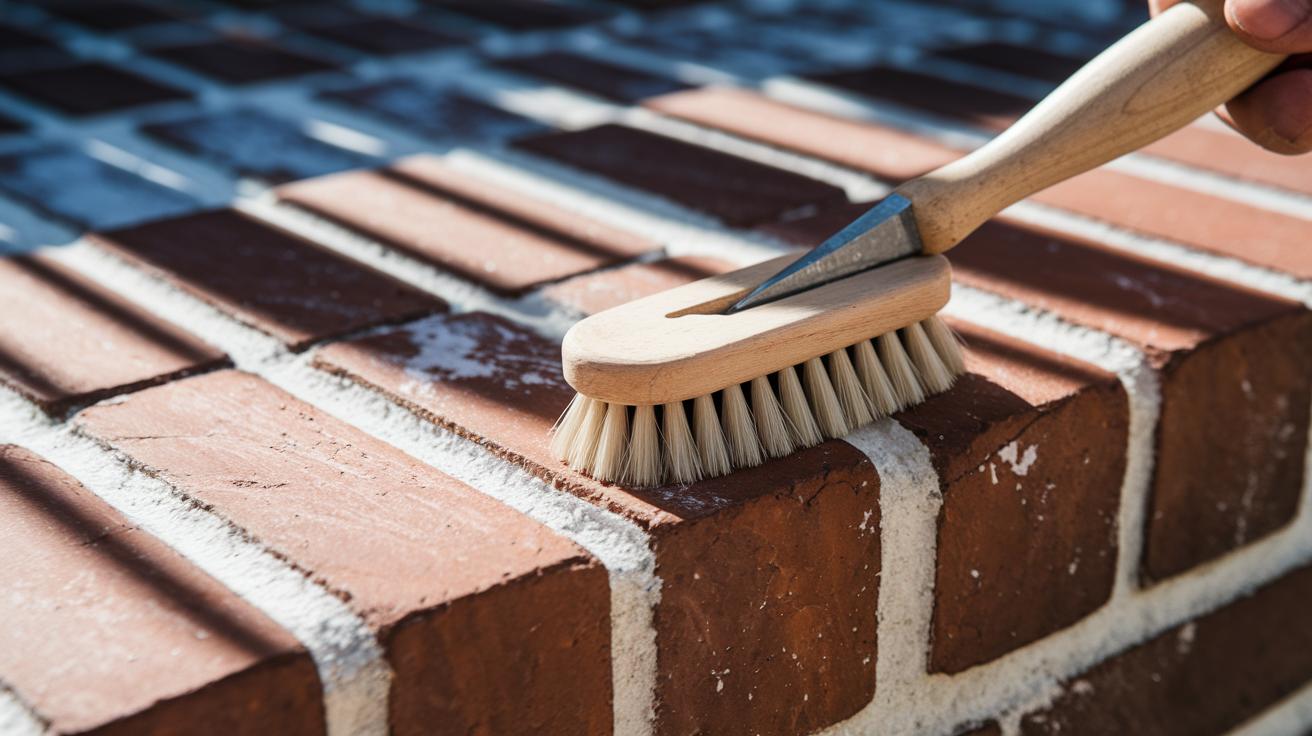
Start by getting your brick ready so the sealer can stick and work well. Remove any efflorescence (mineral deposits), mold, and loose mortar. This clears out debris that can trap moisture and cause uneven sealer results. Test your brick with a single drop of water. If the water soaks in quickly, the brick is more porous and needs a sealer that reaches deep into the brick.
- Clean the surface: Remove dirt, mold, efflorescence, and loose mortar. For loose mortar, use a chisel and hammer or a rotary tool with a brick masonry drill bit (a special drill bit made for cleaning brick surfaces). This step clears away weak debris that would stop the sealer from bonding properly.
- Perform the absorption test: Put one small drop of water on the brick. If the water disappears fast, choose a penetrating sealer. If it beads on top, pick a sealer that works on less porous surfaces.
- Apply the sealer evenly: Use an airless sprayer or a roller to spread the sealer so it covers the surface uniformly. Follow the instructions on the sealer label. For example, penetrating sealers typically cover 150–200 ft²/gal (about 14–19 m²/gal) while film-forming types cover 100–150 ft²/gal (roughly 9–14 m²/gal).
- Let each coat dry: Wait 2–4 hours between coats. Make sure the temperature is between 40°F (4°C) and 90°F (32°C) before you start, ensuring the sealer sets correctly.
- Clean your tools: Wash any tools like sprayers or rollers immediately after each use. Also, wipe away any overspray from nearby surfaces to keep everything clean.
- Inspect your work: Look over the brick surface to confirm that every area is evenly covered and dry. Touch up any spots that missed the coat before adding more layers if needed.
Following these steps makes sure your brick looks great and stays strong for a long time.
Maintenance and Reapplication Schedule for Brick Masonry Sealer

Most sealers last 3 to 7 years. That means you should inspect your brickwork every year. A quick water-beading test can show if the sealer is doing its job. If water stops forming neat beads on the brick, the sealer is wearing off and needs attention. Keeping notes of these tests helps you know when to act.
Before you apply a new coat, clean the brick surface well. Use a mild detergent mixed with water to remove dirt and salt deposits (efflorescence). After cleaning, look closely at the brick to find spots where the sealer is gone. This careful check makes sure the new coat will stick evenly and keep the brick’s natural look.
Instead of using a fixed schedule, plan reapplications based on how the sealer performs. In areas with heavy rain or freeze-thaw cycles (water freezing and thawing that causes damage), you might need to check more often. This practical approach helps save money and prevents costly repairs later.
Safety Protocols and Eco Impact of Brick Masonry Sealers
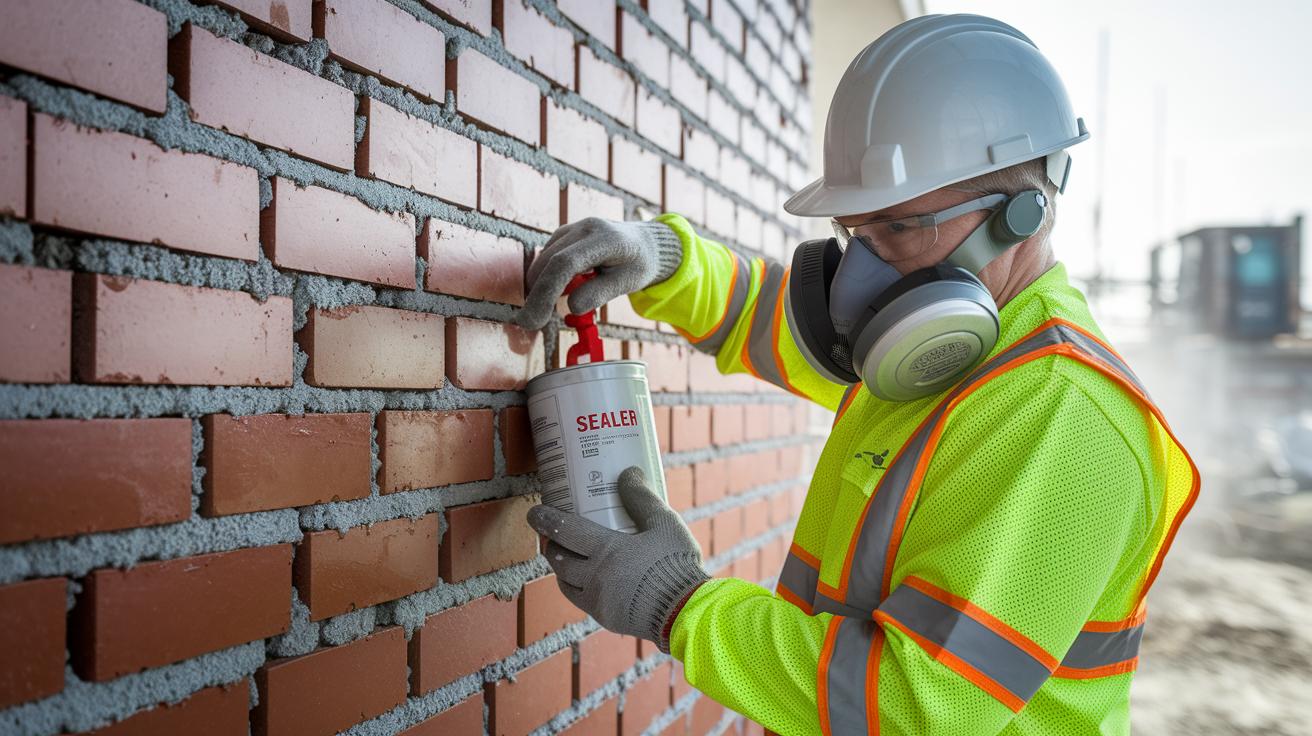
When you work with brick masonry sealers, always wear proper safety gear. Low-VOC water-based sealers produce fewer fumes and dry quickly, so they work well in rooms where people are around. But for solvent-based silane products, you need stronger protection. Wear a respirator, gloves, and eye protection. Think of your gear as a shield that keeps harmful chemicals away from you on a busy job site.
Manage chemical exposure and protect the environment by choosing the right sealer. Water-based sealers help keep indoor air cleaner because they have low VOC levels. In contrast, solvent-based options can release more chemicals. Always review the MSDS (material safety data sheet, a document listing a product’s hazards) for each sealer you use. Also, work in a well-ventilated area to reduce the risk of breathing in harmful vapors.
Disposing of these materials safely is very important. Collect any leftover sealer, used rags, and cleaning solvents, and follow local guidelines for chemical waste. Pack and dispose of contaminated items according to your municipality’s hazardous waste rules. This careful approach helps keep our environment clean and safe.
Comparative Review of Leading Brick Masonry Sealer Brands

Choosing the right brick masonry sealer can feel overwhelming, so we’ve laid out the key details to help you decide quickly. We cover coverage area, best application, and service life in a clear, side-by-side view.
| Product | Type | Coverage (ft²/gal) | Best Use | Lifespan (yrs) |
|---|---|---|---|---|
| Siloxane PD | Penetrating | 200 | Exterior porous | 5 |
| SL100 “Neat” Silane | Penetrating | 180 | Coastal/freeze | 7 |
| Interior Masonry Dustproofer | Film-forming | 250 | Dust control | 3 |
| H40 Consolidation Treatment | Penetrating | N/A | Restoration | 5 |
| Siloxane WB Concentrate | Penetrating | 220 | Mixed masonry | 6 |
Each product shines in its own area. For example, SL100 “Neat” Silane is built to handle conditions found in coastal or freeze-prone regions, offering lasting protection. If dust control is your main priority indoors, the Interior Masonry Dustproofer, which forms a protective film, might be the best pick. H40 Consolidation Treatment is excellent for restoration work as it bonds unstable brick, while Siloxane WB Concentrate works well on a variety of surfaces. By matching these features to your project’s needs, you can ensure strong, long-lasting protection for your masonry work.
Final Words
In the action, we explored how brick masonry sealer solutions work, comparing penetrating and film-forming types. We discussed their role in resisting moisture, UV rays, and freeze-thaw cycles while keeping brick color and durability intact. The guide covered product selection based on environmental stress, proper application methods, and long-term maintenance tips. Safety protocols and eco-friendly handling were also key points, giving you a clear roadmap for a successful project. Keep these insights in mind for a cost-effective and lasting brick masonry sealer solution.
FAQ
What is the best sealer for exterior brick?
The best exterior brick sealer repels water while keeping brick surfaces breathable. It typically comes in water-based or solvent-based formulations designed to handle harsh weather and UV exposure.
Is it a good idea to seal brickwork?
Sealing brickwork protects against moisture and weather damage while preserving the brick’s color and strength. This practical step minimizes crumbling and reduces future repair and maintenance costs.
Which sealer prevents bricks from crumbling and stops moisture infiltration?
A quality penetrating brick masonry sealer fills micro-voids in the brick, reducing water absorption and preventing crumbling. Proper application creates an effective barrier against moisture without trapping water.
What are the differences between interior and exterior brick sealers?
Interior brick sealers use low-VOC and clear finishes suitable for indoor spaces, while exterior sealers are formulated for durability, UV protection, and weather resistance, ensuring long-lasting performance outdoors.
How do brands like DRYLOK and Rainguard compare in brick masonry sealing?
DRYLOK and Rainguard deliver reliable performance with options in penetrating and film-forming formulas. Each brand offers products optimized for moisture control and weather resistance, so check product details for the best fit.