

Ever wonder why some walls last longer than others? Brick masonry construction is more than just stacking bricks. Think of it like putting together a puzzle where every brick and its mortar (the mix that holds bricks in place) play a key role in keeping the wall strong. In this guide, you'll learn how careful brick placement and the right mortar mix create walls that stand up to harsh weather and heavy use. With solid craftsmanship and proven techniques, you can build a wall that will stand the test of time.
Foundations of Brick Masonry Construction
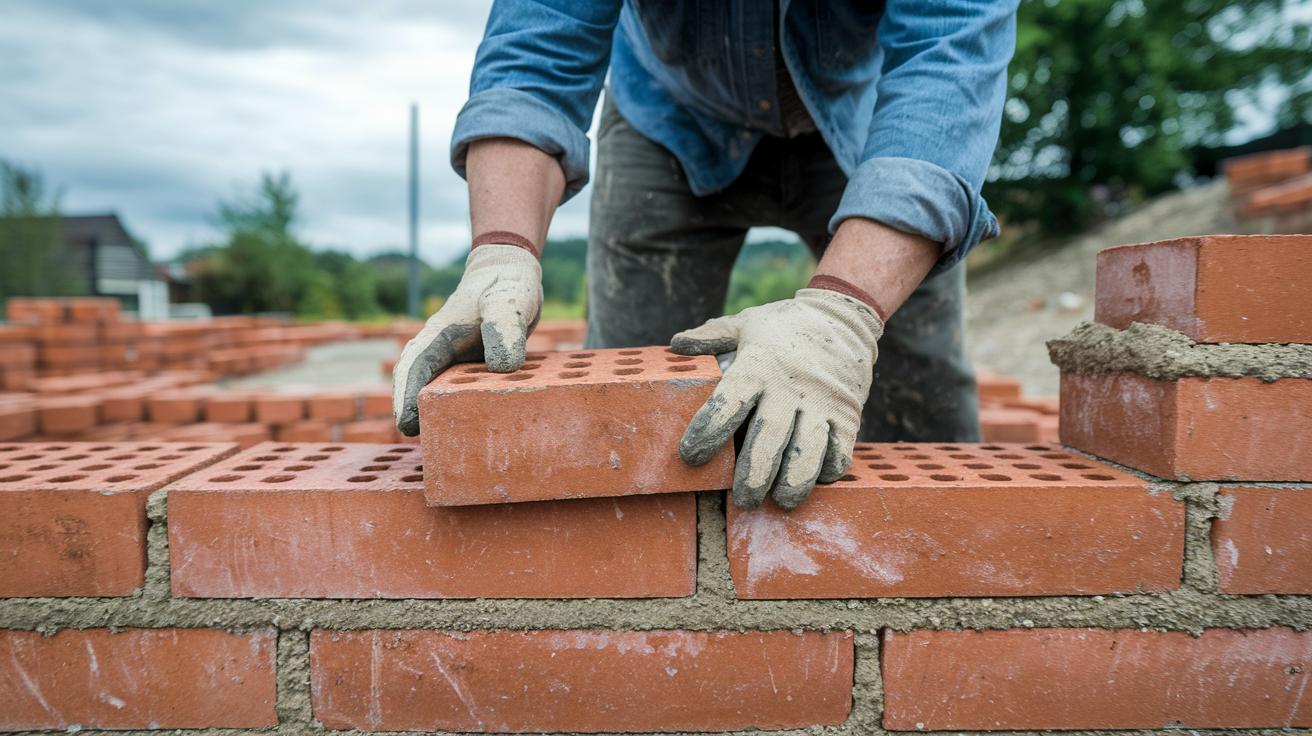
Brick masonry stands out for its long-lasting strength and natural ability to keep indoor temperatures steady. It can handle freeze-thaw cycles, heavy foot traffic, and harsh weather. Clay bricks add a classic look and lasting durability, making them a smart choice for both old and new builds. In solid masonry, whole bricks and strong mortar joints work together to build a stable wall.
This method also makes building easier with reliable, consistent results. When you lay each brick with care and use the same mortar mix, the entire structure is simpler to build and inspect. This approach not only improves how the wall looks but also boosts its safety and stability. Think of it like following a trusted recipe, a little extra attention to detail makes a big difference.
Key principles include:
- Proper mortar joints
- Accurate brick alignment
- Consistent mortar mix
- Level foundation
- Correct curing
When you build strong mortar joints and keep your bricks straight, the load spreads evenly and the wall grows stronger. A consistent mortar mix paired with a level foundation speeds up the curing process, ensuring a durable finish. These basics set the stage for more complex work and build confidence in every step of your project.
Essential Materials and Tools for Brick Masonry Construction

Clay bricks form the backbone of brick masonry. They are built to handle heavy loads and tough weather, making them a dependable choice for long-lasting structures. You can choose from different sizes to match your design and strength needs. Plus, the brick you select affects the overall look of your project; a brick with a uniform texture creates a neat appearance and helps the mortar settle evenly.
Getting your mortar mix right is key to holding bricks together securely. Many builders use a 1:3 mix of cement to sand (for example, 1 part cement with 3 parts sand) to form a strong bond. Adding lime or polymer additives can make the mix easier to work with and boost its water resistance. This approach lowers the risk of cracks and extends the life of your mortar. Quick tip: stick to the 1:3 ratio to get a mix that’s both strong and durable.
Using the right tools makes a big difference in the quality and speed of your masonry work. A good set of hand tools includes a trowel for spreading mortar, a jointer for smoothing joints, and a level for checking alignment. Don’t forget power tools, like a drill fitted with masonry bits (typically 3/8 in to 1/2 in, or 9.5 mm to 12.7 mm), which are essential for installing anchors and metal brick ties to support veneer systems. With these tools on hand, you can keep your brickwork even and your structure strong.
Step-by-Step Guide to Brick Masonry Wall Assembly
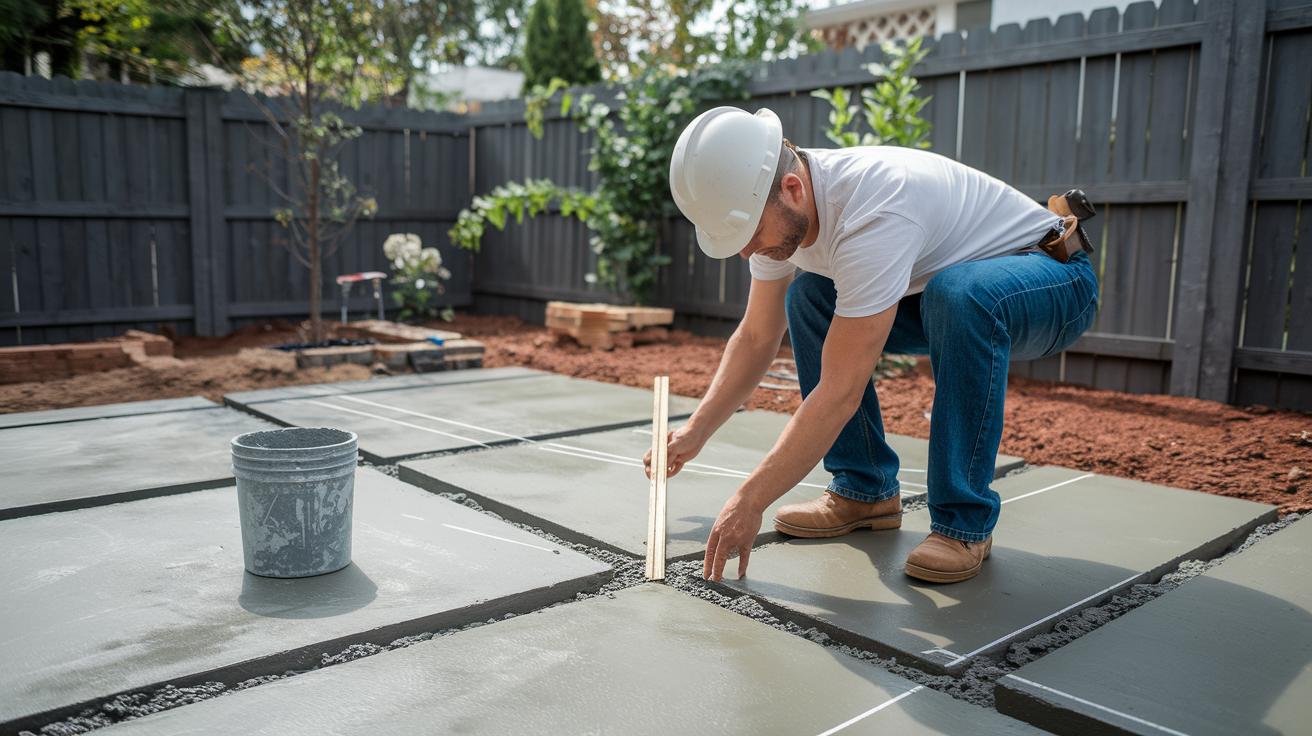
Before you start, check that your concrete footing is level and fully cured. A solid base is key to a strong wall. Gather your tools and mix your mortar to the right consistency to avoid problems later.
- Foundation prep – Make sure your concrete footing is level and fully cured so it supports your wall.
- Chalk line setup – Snap chalk lines along where the bricks will go to guide each row.
- Mortar mixing – Mix your mortar using a 1:3 cement-to-sand ratio. Aim for a mortar bed ¾ in (19 mm) to 1 in (25 mm) thick.
- First course layout – Lay the first row of bricks along the chalk line, checking that each brick sits evenly on the mortar and stays level.
- Successive course alignment – Stagger the vertical joints by at least half a brick (around 3 in/7.6 cm) to help distribute weight.
- Joint tooling – Use a jointer to shape the mortar into a concave or V-shape. This finish helps water run off.
- Coping course – Build the final row evenly to shield the wall from harsh weather.
- Curing – Let the wall set for 24–48 hours before adding any load, so the mortar can fully cure.
Watch out for common mistakes like uneven mortar beds, crooked bricks, or poorly finished joints. Use a level on every row and test your mortar mix in a small batch if needed. Sticking to these steps with accurate measurements helps you build a durable and attractive wall.
Structural Bond Patterns and Innovative Bond Designs in Brick Masonry

Brick work is more than a pretty design. It helps spread the weight evenly across the wall. Different brick patterns work together like a team. They make sure the load is shared evenly so the wall does not shift or bend under pressure. For example, a careful brick layout can help a wall survive a harsh winter instead of showing damage too soon.
Traditional brick patterns build strong and attractive walls. A running bond is quick to lay and offers solid stability. Its staggered joints work well for simple or non-load-bearing walls. The English bond suits walls that carry heavy loads. It mixes headers (the short side of the brick) and stretchers (the long side of the brick) to add strength. The Flemish bond uses both headers and stretchers in each row, giving the front of a building a balanced look. Herringbone and basketweave patterns add texture to patios, making outdoor spaces look exciting.
New ideas in brick work mix strength with style. Builders now use interlocking bricks and add reinforcement rods (steel bars that boost strength) in the vertical joints. They are also trying artisanal patterns like stack bond or header bond. These methods honor old traditions while using modern techniques to improve performance. With these fresh ideas, brickwork stays a time-tested method that meets today’s needs for strength and good looks.
Exterior Wall Assembly and Finishing Techniques in Brick Masonry Construction

Start by attaching clay brick slips (1 in (25 mm) to 2 in (50 mm) thick) over a backup wall using metal ties. Next, install continuous flashing at shelf angles to form a weatherproof seal behind the veneer so that water flows away from the wall. This approach gives your building a fresh look and helps protect the wall underneath. For example, a homeowner can quickly update an old exterior with a brick slip veneer to boost curb appeal.
Managing moisture is key for brick masonry exteriors. Use continuous flashing and add weep holes spaced every 24 in (61 cm) to let trapped water escape. This step guards against water damage and mold buildup. Good drainage is especially important in areas that see heavy rain or freeze-thaw cycles since excess moisture can weaken mortar joints and damage the wall sooner.
Add creative touches to boost both style and function. You might use features like a soldier course (bricks laid vertically), subtle corbelling (a stepped-out brick row for detail), or patterned banding for extra texture. Classic brick patterns, such as English or Flemish bonds (arrangements of bricks), give a timeless look and also reinforce the wall. Combining these design ideas with solid moisture control creates an exterior wall that not only looks striking but also lasts over time.
Durability, Sustainability, and Performance Evaluation in Brick Masonry Construction
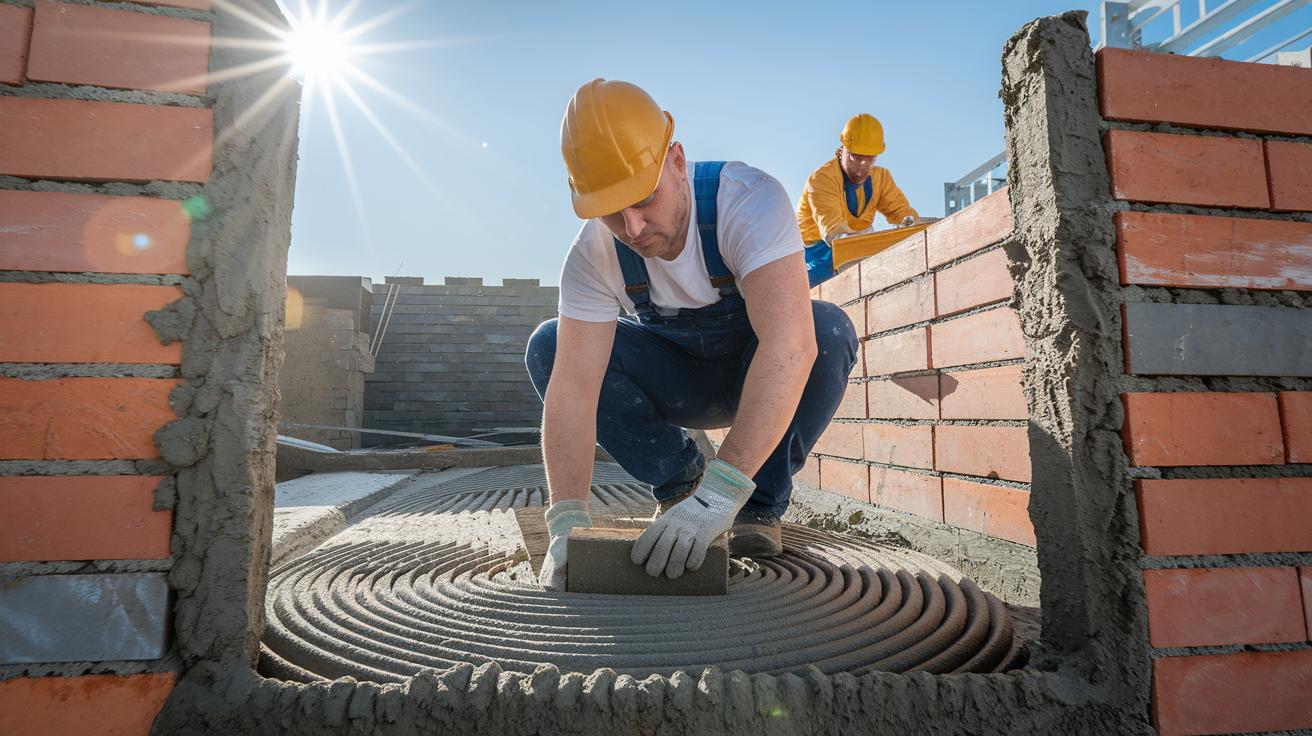
Using eco-friendly materials is key for sustainable masonry work. Start by choosing reclaimed bricks and low-carbon cement to lower the energy built into your project. Cavity wall systems with an air gap (a space designed to boost insulation) help keep heat where it belongs. Adding mortar admixtures like silica fume or fly ash strengthens the mix and reduces water seepage. These energy-saving methods lower your bills and build a wall that handles heavy loads and freeze-thaw cycles.
When checking durability, both on-site and lab tests are important. Use compressive tests (pressing materials until they fail) to confirm the brick and mortar stick together well. Doing water absorption tests can reveal weak spots and show if your weatherproofing plan is working. Builders should test small mortar batches during and after construction to make sure everything is consistent before putting the full load on. This careful testing keeps your project safe and lasting.
Safety Protocols and Quality Control Best Practices in Brick Masonry Construction
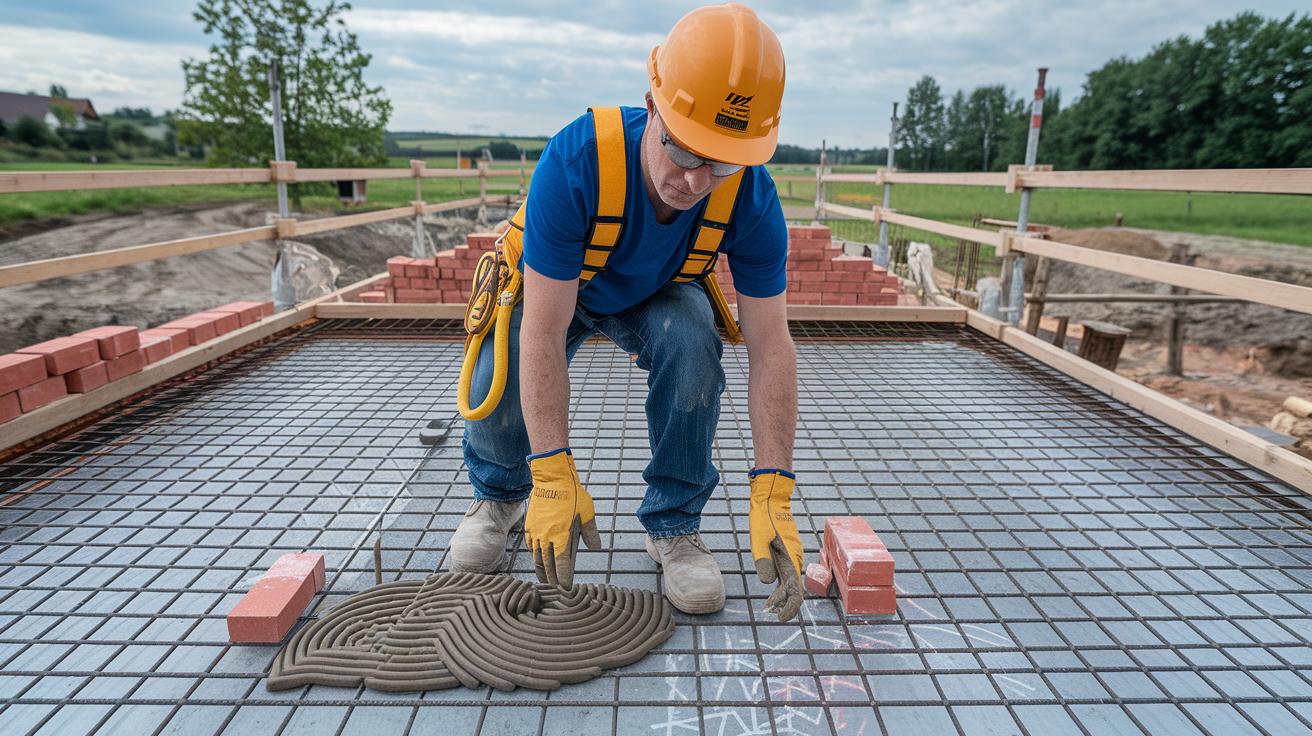
When you work in brick masonry, always wear your proper safety gear. That means hard hats, goggles, gloves, and fall protection when you’re on scaffolds. Before setting any bricks, check the mortar mix using a slump test (a way to measure mix consistency). Aim for a slump between 4 in (10 cm) and 5 in (13 cm). I always make sure my test falls in this range to be confident the mortar isn’t too stiff or too wet. These steps keep you safe and ensure each joint starts with a mix that will last.
Once you’ve laid some bricks, use a spirit level (a tool that shows level surfaces) and a plumb line (a tool for vertical alignment) to check your work. If you notice messy mortar or uneven brick rows, fix them immediately by tightening your tools or swapping out the brick. Also, local building codes call for extra reinforcement every 16 in (40 cm) to 24 in (61 cm) vertically. Following these guidelines and checking your work at every step helps make sure your masonry project stays strong, safe, and on track.
Final Words
In the action of building strong homes, brick masonry construction proves its worth with durable foundations and precise techniques. We covered everything from choosing quality materials and optimal mortar mixes to detailed wall assembly steps and innovative bond patterns. Clear safety protocols and performance checks round out the guide.
Every tip, from proper brick alignment to curing practices, ensures your project stays safe, cost-effective, and built to last. Step forward with confidence and let these practical insights guide your next successful remodel.
FAQ
What is brick masonry construction?
Brick masonry construction is the building method where bricks are set in mortar to form walls and structures. It involves proper alignment, bond patterns, and curing to ensure strength and longevity.
Is brick construction considered masonry?
Brick construction is considered masonry because it relies on brick units with mortar to create durable, load-bearing walls that distribute stress evenly throughout the structure.
What are the details of brick masonry construction?
Brick masonry construction details include proper mortar joint thickness, accurate brick alignment, and specific bond patterns. Modern methods also incorporate precise curing times and standardized material mixes for reliability.
Where can I find brick masonry construction PDFs and types?
Brick masonry construction PDFs provide in-depth guides on wall assembly, bond variations, and material properties, detailing both traditional and modern brick laying techniques for various project needs.
Who are typical brick masonry construction contractors?
Brick masonry construction contractors are skilled professionals who lay bricks according to structural specifications, ensuring correct mortar mix, alignment, and compliance with local building codes.
What is the role of a brick masonry institute?
A brick masonry institute offers education, certification, and resources for bricklayers and contractors, focusing on hands-on training, best practices, and safety in masonry construction.
What is a brick masonry unit?
A brick masonry unit is an individual brick, often made of clay, used in construction. It is designed for durability and provides thermal mass, contributing to efficient temperature regulation in buildings.
What does the brick wall construction process involve?
The brick wall construction process involves foundation preparation, mixing mortar, laying bricks in staggered courses, tooling joints for weather resistance, and allowing sufficient curing time to build a strong wall.
Is brick masonry a good career?
Brick masonry is a rewarding career that offers steady work and job satisfaction, though it requires physical labor, technical skill, and adherence to safety and quality standards on the job.
How much do brick masons charge per hour?
Brick masons typically charge between $25 and $50 per hour, with rates varying by region, experience, and project complexity, ensuring competitive compensation for skilled craftsmanship.