

Ever had trouble drilling into brick? Regular bits often fall short. Brick masonry drill bits are built for the job. They have a hardened metal tip that easily cuts through brick and mortar. Contractors and DIYers rely on these bits because they make safe, clean cuts every time. They work especially well when paired with a hammer drill (a drill that uses a rapid, hammering action to break up tough surfaces). This article explains why these bits are tough and trusted for demanding projects.
Brick masonry drill bit: Robust and Reliable

Brick masonry drill bits are made to cut through brick and mortar with clear accuracy. They feature a hardened metal tip for extra strength on tough materials. Their sturdy build lets them stand up to the hard work of brickwork. They also differ from concrete bits, which use Widia plates and tend to wear out faster under heavy use.
For best results, use a hammer drill with these bits. A regular drill might not deliver enough force and could lead to breakage. The hammer drill’s steady impact helps cut through brick while keeping the bit cool. This method makes the bit efficient and a reliable choice for construction sites and home projects.
When choosing a brick masonry drill bit, look for one with a hardened metal tip that works well with a hammer drill. This bit is a trusted choice for professional contractors and DIYers working on tough masonry jobs. Its design speeds up the job and keeps maintenance simple while ensuring safe and dependable cuts every time.
Key Features of Brick Masonry Drill Bits You Need to Know

Brick masonry drill bits are built tough and cut clean. They come in standard metric and imperial sizes so you can pick the perfect fit for your job. The tip is made of hardened metal designed to handle the rough grind of brick and mortar. This not only makes the bit last longer but also keeps it sharp for more projects, saving you time and money.
Here are five main features that make these bits a smart choice:
- A hardened metal tip that keeps working even when in contact with rough materials.
- An SDS-style shank (a drill bit holder system) that locks securely into hammer drills, keeping the bit steady.
- Standard sizing for both diameter and length, so it works on a variety of drilling tasks.
- Precision engineering that makes clean, neat holes in brick and mortar.
- A strong build that means fewer replacements and better overall value.
This drill bit isn’t just a tool – it’s a rugged system made for masonry work. Its specially designed cutting head makes holes quickly and cleanly in hard materials. Use it with a hammer drill, which delivers steady impacts to work with the bit’s smart design. With these features, you can confidently take on tough masonry projects knowing you’re using a tool that delivers long-lasting, precise performance.
Brick Masonry Drill Bit Sizes and Shank Compatibility Guide
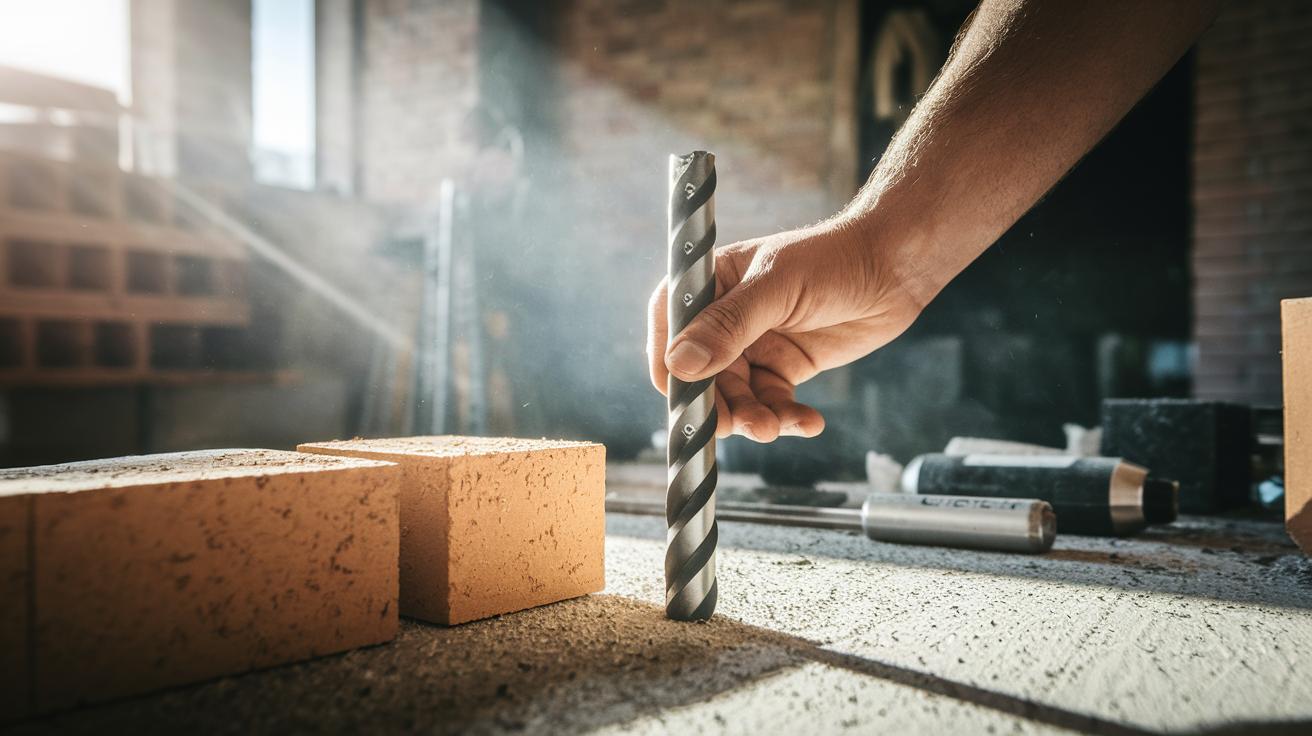
Pick the right brick drill bit by knowing its size and shank type. Drill bits are measured by their diameter and length. Popular sizes go from 5 mm (about 3/16 in) to 20 mm (about 3/4 in). Choosing the right size improves your accuracy and helps the bit last longer.
For the best results, use a hammer drill that accepts SDS-plus or SDS-max shank styles. These shanks lock into your drill so the bit stays secure while you work hard on masonry. Regular drills with a standard chuck may also hold bits with round or hex shanks, but they might not stay as steady when you need precision.
| Diameter (mm) | Diameter (in) | Shank Type |
|---|---|---|
| 5 | ~3/16 in | SDS-plus |
| 10 | ~3/8 in | SDS-plus |
| 15 | ~5/8 in | SDS-max |
| 20 | ~3/4 in | SDS-max |
Before you begin your project, check a metric size chart to find the proper diameter and shank style for your drill. Using the right combination of bit and drill means fewer breakages and a smoother, faster job. This keeps your masonry work safe and efficient.
Brick masonry drill bit: Robust and Reliable
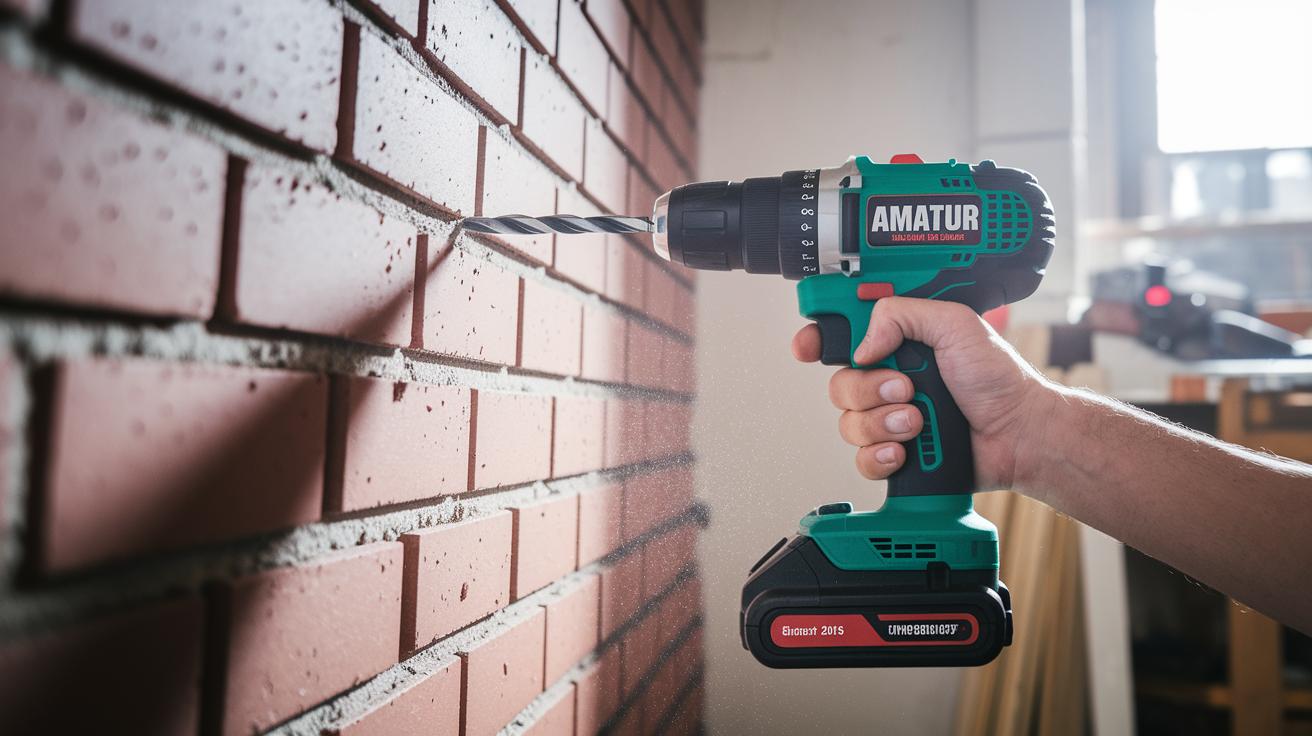
When you drill into brick walls, use proper technique to keep your drill bit in top shape. Start by setting your hammer drill to 350–750 rpm (revolutions per minute). This speed keeps friction low and stops the bit from overheating. Apply steady, moderate pressure so the bit makes a clean pilot hole. Always stop to clear out dust because buildup can overheat the bit and lower its performance. If you drill too fast without clearing dust, you risk chipping the brick and losing accuracy. For example, if you see dust pile up quickly, take a break to clean off the debris before continuing with controlled pressure.
Follow these steps for a safe and efficient masonry project:
- Mark your drilling spot and drill a small pilot hole to guide the bit.
- Set your hammer drill to 350–750 rpm to control heat.
- Turn on the hammer function and apply steady, moderate pressure.
- Drill slowly and let the bit bite into the brick without forcing it.
- Pause often to remove dust and keep the bit cool.
- If the bit feels too hot to touch, let it cool before you continue.
Brick Masonry Drill Bit Safety and Maintenance Essentials

When drilling into brick, protect yourself by wearing safety glasses, gloves, and a dust mask. These items keep your eyes safe from flying debris and help you breathe easier. Before you start, check that your glasses fit snugly and can withstand impact.
To keep your drill bits in top shape and avoid breakage, follow these tips:
- Inspect bits often for any wear or chipping.
- Sharpen or replace bits after about nine hours of total use.
- Clean bits after each job to remove built-up grit.
- Store bits in a dry, secure spot.
- Use the same drilling settings each time to control dust and heat.
Regular maintenance not only extends the life of your drill bits but also keeps your tools working reliably. Making these checks part of your routine ensures every brick project stays safe and efficient.
Comparing Top Brick Masonry Drill Bit Options and Performance
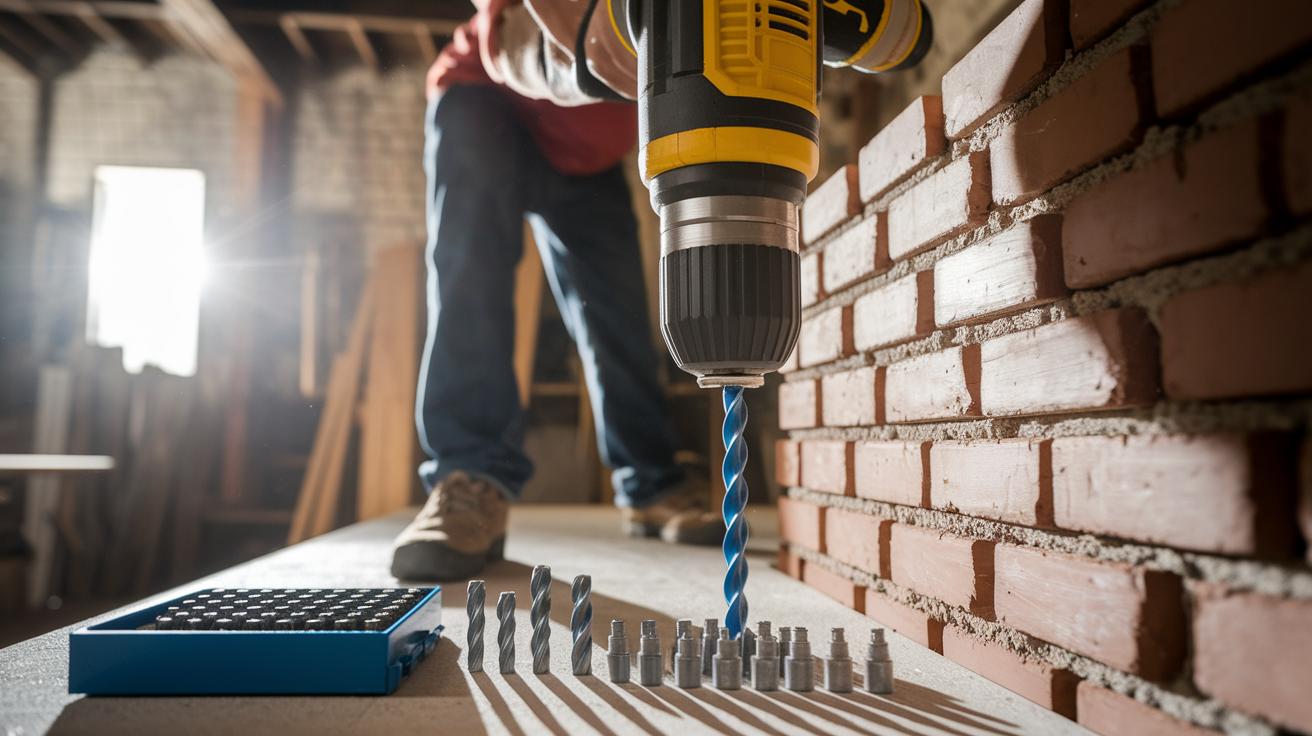
Manufacturers known for quality offer masonry drill bits that can stand up to tough brick work and help you save money. In the market, you usually see three main types: mid-range size sets, heavy-duty long-life bits, and economy multi-packs. Each option fits a different need – whether you’re handling a small DIY task or tackling a heavy commercial job. These sets deliver a balance of performance and durability so you can be confident whether you’re drilling a few holes or powering through a large project.
Not all bits work the same. The mid-range size set offers a mix of good performance and cost savings, making it a top pick for many homeowners. If your project is more demanding, heavy-duty long-life bits bring extra durability and a steady performance, though they cost a bit more. For occasional use or smaller tasks, an economy multi-pack is a budget-friendly option, but you might lose a little in reliability.
| Option | Use Case | Price Level | Reliability |
|---|---|---|---|
| Mid-range size set | Light to medium masonry projects | Mid | High |
| Heavy-duty long-life bit | Commercial and heavy-load tasks | High | Very high |
| Economy multi-pack | DIY and occasional small projects | Low | Moderate |
When selecting the right set for your project, consider how often you’ll drill, the load you expect, and how much wear the tool might face. Matching your needs with the bit’s performance means your masonry drilling stays efficient and consistent every time.
Final Words
In the action of drilling, you learned how a brick masonry drill bit stands apart with its hardened cutting head and secure shank options. The post covered key features, sizing, proper drilling techniques, and essential safety tips.
You now have practical insights to tackle your projects safely and cost-effectively. Embrace these hands-on tips and enjoy the confidence that comes with the right tools and techniques for every home improvement task.
FAQ
What can I expect from brick masonry drill bits at Home Depot?
Brick masonry drill bits at Home Depot feature hardened cutting heads and usually come with SDS designs for hammer drills. They ensure smooth, reliable drilling for your brick and mortar projects.
What defines the best brick masonry drill bit?
The best brick masonry drill bit has a hardened metal tip and secure shank that delivers precision cutting and durability. It fits hammer drills perfectly, offering reliable performance on brick.
What makes a masonry drill bit for concrete ideal?
A masonry drill bit for concrete uses a carbide-tipped or tungsten-coated edge to withstand hard surfaces. Its design allows for efficient cutting, reducing wear when drilling into concrete.
How does a masonry drill bit set benefit drilling projects?
A masonry drill bit set provides a range of sizes and types to suit different tasks, ensuring that you have the right tool for each drilling job on brick, concrete, or other hard materials.
What should I know about brick masonry drill bits from Lowe’s?
Brick masonry drill bits from Lowe’s are built with hardened tips and robust construction. They work best with hammer drills, making them a dependable choice for both DIYers and professionals.
What is considered the best drill bit for brick?
The best drill bit for brick has a hardened cutting tip and a secure shank, allowing for effective drilling. It pairs with the correct hammer drill to deliver precise, controlled performance on brick surfaces.
What are the features of a 1/2-inch concrete drill bit?
A 1/2-inch concrete drill bit offers robust durability and precise hole dimensions. Designed for high-impact tasks, it maintains stability and heat resistance when used with a compatible hammer drill.
What is the best drill bit for drilling through brick?
The best drill bit for drilling through brick features a hardened, diamond-tipped design that reduces wear and delivers clean cuts. It works best with a hammer drill for efficient performance.
Why won’t my masonry drill go through brick?
Your masonry drill might struggle with brick if it’s in the wrong mode or lacks proper power. Ensure you use a hammer drill at the correct speed with a fresh, quality masonry bit for effective drilling.
Can I use a regular drill with a masonry bit for brick?
While a regular drill can use a masonry bit, it may not provide the necessary impact force. For drilling brick, a hammer drill is recommended to deliver efficient percussive action.
Which is better, a 1/2-inch or a 3/8-inch drill bit?
A 1/2-inch drill bit offers more durability and cutting power for tougher materials, whereas a 3/8-inch bit suits lighter tasks. Choose based on your project needs and the drill’s compatibility.