

Ever wonder why some brick walls stay attractive no matter the weather? Brick masonry stain is a long-lasting solution that can transform worn brick into a charming focal point. The stain soaks deep into the brick’s pores, allowing it to breathe and adding a bold, enduring look.
Unlike paint, which sits on top and traps moisture, this stain creates a weatherproof barrier that protects the brick while keeping its natural character intact. In this article, we’ll explain how the right brick masonry stain works and why it’s a smart choice for refreshing your outdoor spaces.
Achieving Long-Lasting Results with Brick Masonry Stain
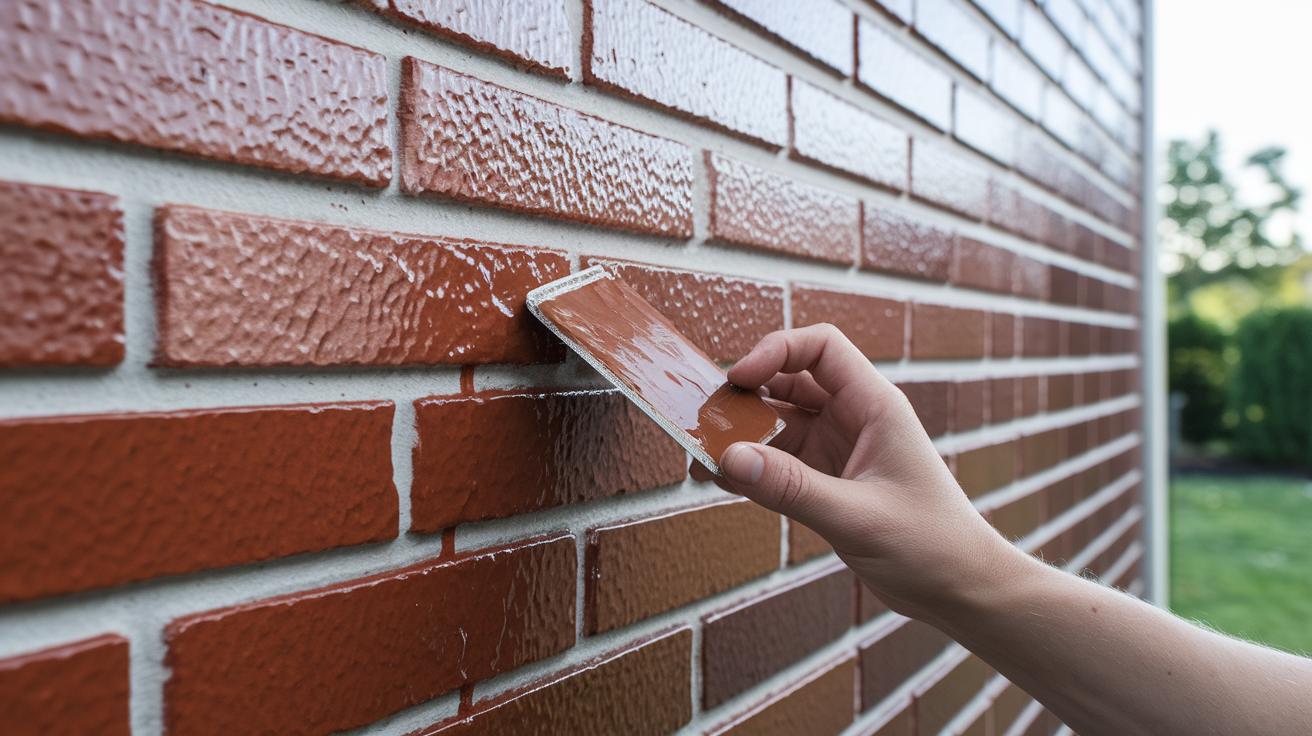
Brick masonry stain soaks right into the brick's pores instead of sitting on the surface like paint. This lets the brick keep its natural feel while adding a bold, lasting look. Unlike paint, which forms a film that traps moisture and can lead to flaking or bubbling, the stain lets the brick breathe and fight off moisture damage.
Staining not only refreshes the look of outdoor walls but also gives the brick a weatherproof coat that stands up to harsh weather. For example, you might use a thin, even coat with a high-nap roller to see the brick shift from tired to vibrant. The stain works by allowing moisture to escape, which helps prevent the common problems that occur with surface coatings. It also keeps its color longer, meaning fewer repairs down the road.
A high-quality brick masonry stain lasts far longer than traditional paint. Check your brickwork every 2 to 3 years to catch any early signs of wear, though well-applied stains often maintain their rich color well past this period. The balance of cost and performance makes brick masonry stain a smart choice for revamping older facades or modernizing patios and walkways, offering both a timeless look and robust protection for your brick surfaces.
Exploring Types and Formulations of Brick Masonry Stains
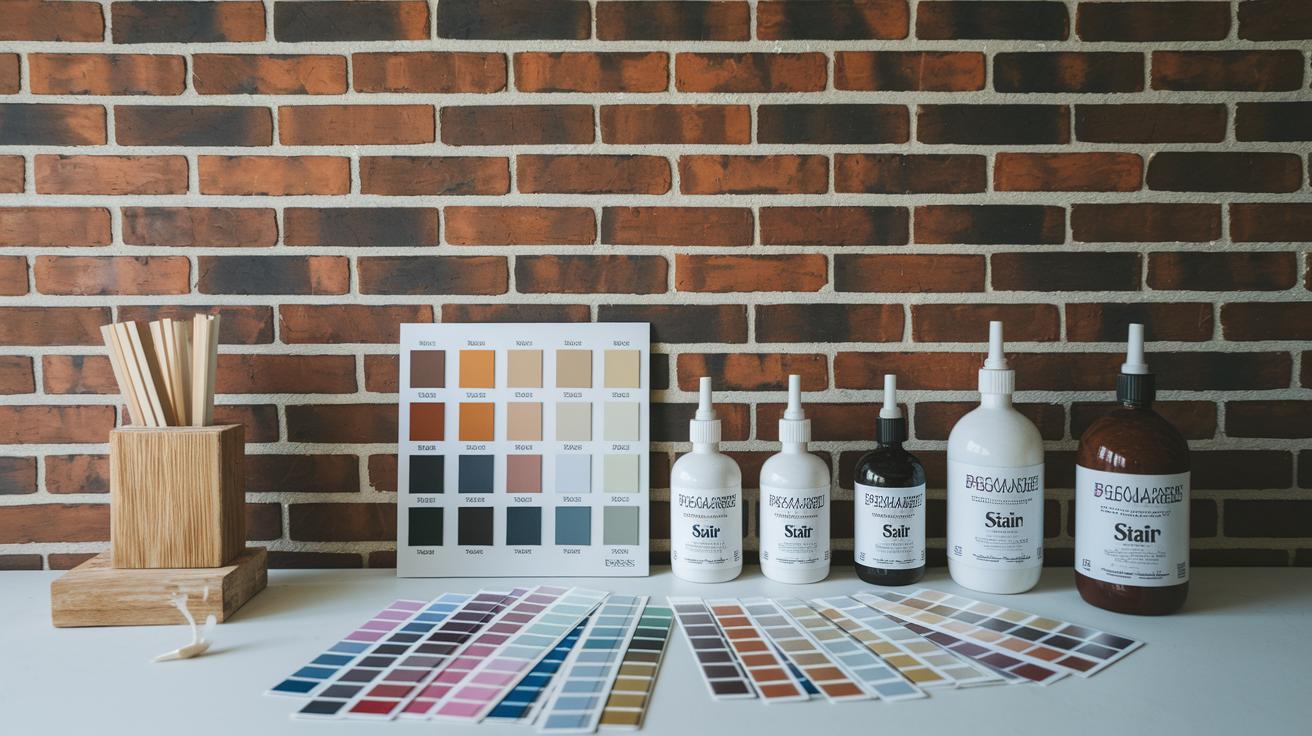
Brick masonry stains usually use either a water or solvent base. Water-based options clean up easily and have a milder odor, making them a smart pick for mild climates. Solvent-based stains are tougher and work well on surfaces that face heavy wear or harsh weather.
There are also acrylic formulas that offer a bright, vibrant finish and acid-etch stains that give a unique, weathered look. Some well-known brands, like Sherwin Williams and Permatint, use special blends designed to keep the color strong while controlling moisture.
At Home Depot, you can check out color charts to easily match the stain with your project style and outdoor conditions.
| Brand | Base | Coverage (sq ft/gal) | Dry Time (hrs) | Ideal Use |
|---|---|---|---|---|
| Sherwin Williams | Water-based | 150-200 | 2 | Exterior walls |
| Permatint | Solvent-based | 120-160 | 4 | High-traffic areas |
| Stayntech | Acrylic | 130-180 | 3 | Modern designs |
| Promason | Acid-etch | 110-150 | 5 | Weathered finishes |
Choose a stain that fits the local weather and the demands of your project. In harsh, sunny conditions, a solvent-based or acrylic blend might be best. In milder climates, stick with a water-based stain for reliable performance.
Preparing and Testing Brick Masonry Surfaces
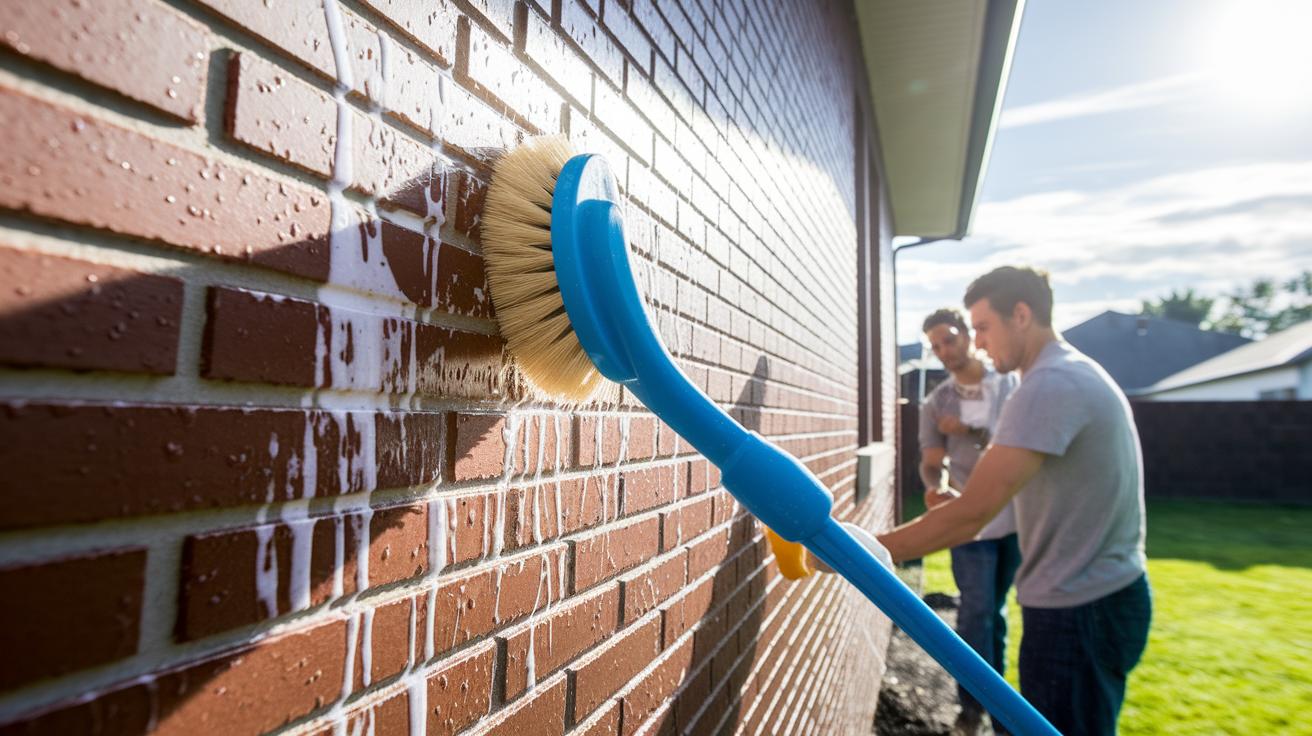
Begin by scrubbing the brick with a stiff-bristle brush, mild detergent, and warm water (about 100°F/38°C). Work in small sections to remove dirt, grime, and loose mortar. For tough stains, use a cleaner safe for masonry. Test a small spot first to make sure the cleaner removes deep-set dirt without harming the brick.
Cover nearby surfaces before you start staining. Lay drop cloths on floors and over surrounding landscaping. Use painter’s tape on window frames, trim, and other areas you want to keep stain-free. These steps protect your work area and keep your project neat.
Allow the brick to dry completely for 24–48 hours so that all moisture evaporates. Once dry, try a small, hidden patch to see if the primer and stain bond well. Make sure to strip any old paint so the stain can penetrate the bare brick. This test confirms the adhesion and shows if further surface preparation is needed.
brick masonry stain Brings Bold, Lasting Elegance

Equipment and safety gear
Gather a high-nap roller, a sturdy masonry brush, and a sprayer if you need it for tight spots. Wear gloves, safety glasses, and a facemask. Lay down drop cloths, and use painter’s tape to protect nearby surfaces from drips. Check the brick for damage and smooth out rough spots so the stain sticks well.
Mixing and diluting the stain
Mix the stain exactly as the manufacturer directs. Stir it well to keep the pigments evenly mixed. Check the thickness to make sure it’s smooth and ready for an even coat. Think of it like mixing a simple recipe where every ingredient must blend uniformly.
Applying the first coat
Use a high-nap roller or masonry brush to spread a thin, even coat, letting the stain soak deep into the brick’s pores. Work in small sections and overlap strokes to avoid streaks. Keep an eye out for drips or pooling, as these can create uneven patches. The stain should blend naturally with the brick, highlighting its texture without forming a thick layer.
Inspecting and touch-ups
Before the stain dries completely, look over your work for uneven areas or missed spots. Use a brush to fix blotches or sections that got too much stain. Addressing these issues early helps ensure a smooth, long-lasting finish. Taking a few extra minutes now can prevent bigger fixes later.
- Clean the brick and repair any damage.
- Protect adjacent surfaces with drop cloths and painter’s tape.
- Mix the stain following the manufacturer’s instructions.
- Stir well and check the consistency.
- Test the stain on a small, hidden area.
- Apply a thin, even coat with a high-nap roller or brush.
- Watch for drips and make touch-ups as needed.
- Let the stain cure for 48 hours before applying a breathable sealer if desired.
Selecting the Right Color and Finish for Brick Masonry Stain

When picking a brick masonry stain, check out current trends that add bold style and lasting charm. Try warm red tones on your fireplace to bring a classic look, or opt for slate gray (about 6 ft / 1.8 m tone) or charcoal for a modern feel on exterior walls. For a fresh interior style, a whitewash on your kitchen backsplash can make a quiet yet striking change. Use sample boards to compare colors and see how each tone works with your brick and mortar before you decide.
Mixing colors can give your walls more depth. Combine a bright touch with gentler hues to bring out the natural texture of the brick. Always test the stain on a small area first to be sure it meets your finish and color expectations.
Ensuring Longevity and Maintenance of Stained Brick Masonry

Stained brick lasts for years and stays attractive. A good stain soaks into the brick’s pores, highlighting its texture while keeping the color lasting. Once the stain is fully cured, apply a high-performance, breathable sealer for extra protection. Check your brick every 2–3 years to catch early signs of wear and keep your color looking fresh.
Clean the brick using mild soap and water. Harsh cleaners can remove the pigment or harm the sealant, so avoid them. Instead, gently scrub with a soft brush to lift dirt and debris. Always test a small area first before using any new cleaning solution.
Stick to a seasonal maintenance routine to prevent moisture buildup and color fade. Keep an eye on areas hit hard by the weather. If you spot sun-bleached spots, retouch with a matching stain. For an easy guide, check out this home maintenance checklist at https://neull.com?p=.
Final Words
In the action, you learned how to prepare, test, and apply brick masonry stain to enhance natural texture and prolong durability. We broke down the different stain types, proper cleaning, and step-by-step methods using the right tools and safety gear.
You now have the know-how to choose colors and finishes that bring life to your brick facade. Follow these clear steps to save time and costs on maintenance. Enjoy the process and see lasting, weatherproof results with brick masonry stain.
FAQ
What is an exterior brick masonry stain and why use it?
The exterior brick masonry stain enhances a brick’s natural texture while allowing moisture to escape. It lasts longer than paint by reducing peeling and maintenance, offering a durable and attractive finish.
What are the typical color options for brick masonry stain?
Brick masonry stain comes in a variety of hues, including heritage reds, slate grey, charcoal, and modern whitewash, providing options to complement existing brick appearances and match personal design preferences.
What is the best masonry stain for brick, and how do choices like Permatint and Sherwin-Williams compare?
The best masonry stain penetrates the brick to preserve its texture and durability. Brands like Permatint and Sherwin-Williams are trusted for their high-quality, weather-resistant formulations suitable for diverse climates.
Can you use masonry stain on brick, and is brick staining worth it?
Masonry stain is designed for brick applications. It is worth it because it enhances the brick’s natural character, minimizes maintenance issues like flaking, and offers long-lasting color retention compared to conventional paint.
How long does an exterior brick stain last?
An exterior brick stain typically maintains its appearance for 5-7 years, provided it receives proper upkeep and protective measures as recommended by the manufacturer.